Illegal fentanyl in New Jersey and elsewhere is increasingly contaminated with xylazine, a veterinary sedative sometimes called tranq. That combination can change how an overdose looks, how quickly harm can occur, and the types of medical and wound problems people experience. This article explains the risks, emergency steps, harm reduction options, and how families can seek professional help.
Table of Contents
ToggleWhat is xylazine and why it matters with fentanyl
Xylazine is a nonopioid sedative approved only for veterinary use. It is not reversible by naloxone because it is not an opioid. When xylazine appears mixed with fentanyl, people who use drugs may be unknowingly exposed to a sedative that adds to breathing and consciousness depression caused by fentanyl, increasing the chance of severe harm or death. Public health agencies have identified xylazine in the U.S. illegal drug supply, including in New Jersey. (cdc.gov)
How xylazine changes the overdose and medical picture
Key clinical differences when xylazine is present:
- Naloxone still treats the opioid component and should be given for suspected opioid overdose, but naloxone will not reliably reverse sedation caused by xylazine. Emergency care is still required. (cdc.gov)
- Overdoses with xylazine may produce prolonged sedation, heavy breathing difficulty, and lower responsiveness that can persist after opioid reversal. This can require airway support and monitoring in a medical setting. (cdc.gov)
- Xylazine exposure has been linked to unusual, often severe skin and soft tissue wounds around injection sites and elsewhere on the body. These wounds can become deep, slow to heal, and at risk for infection. (nejm.org)
Safety callout
What families and friends should watch for
Signs that a person may be affected by fentanyl with xylazine include:
- Slow or very shallow breathing, blue lips or fingertips, very small pupils, reduced responsiveness (typical opioid signs).
- Unusually prolonged sedation after naloxone, excessive sleepiness lasting longer than expected, or persistent inability to stay awake. (cdc.gov)
- New or worsening skin ulcers, blackened or necrotic areas around injection sites, or wounds that do not heal. Seek wound care and infectious disease evaluation. (nejm.org)
Clinical care and harm reduction
When xylazine is suspected, clinical management includes urgent stabilization for overdose, careful wound assessment, and longer term addiction treatment options. Multidisciplinary care that connects addiction treatment, wound care, infectious disease, and surgery is often necessary for complex wounds. Aggressive debridement may not always be appropriate and treatment plans should be clinician-led. (pmc.ncbi.nlm.nih.gov)
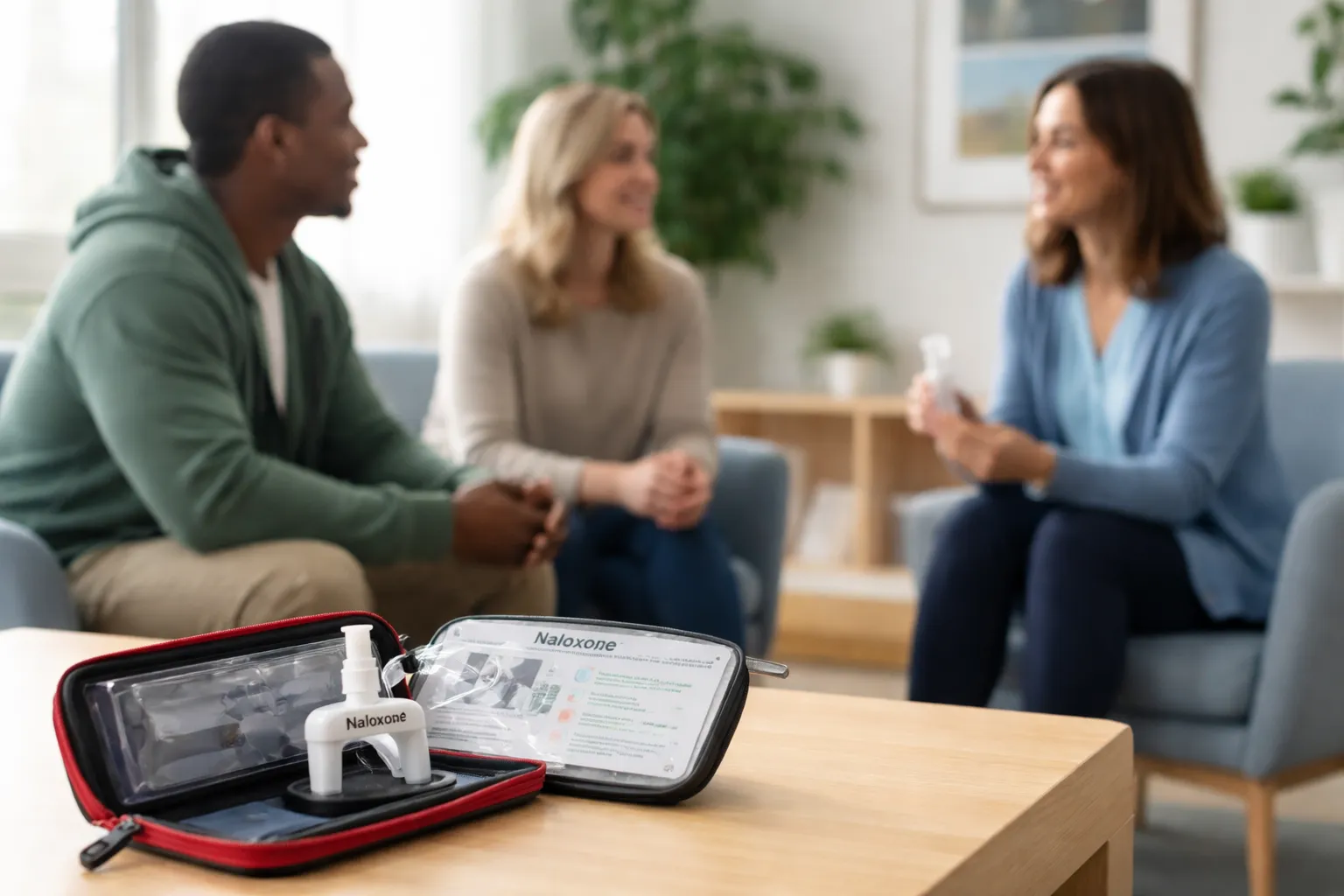
Naloxone should be administered for opioid overdose signs because it can save lives by reversing the fentanyl component, even if sedation from xylazine persists. Always call 911 after giving naloxone so medical staff can monitor breathing and provide airway support if needed. (cdc.gov)
Harm reduction tips
- Never use alone if possible; have someone present who can call for help.
- Carry and be trained to use naloxone, and understand it may not reverse xylazine sedation fully. (cdc.gov)
- Use drug checking services and test strips when available; local public health programs may provide testing or information. (dea.gov)
- Seek prompt medical attention for any new or worsening skin wound, fever, or spreading redness. Wound care and antibiotics may be required. (pmc.ncbi.nlm.nih.gov)
Comparison table: xylazine versus fentanyl – how effects and responses differ
| Feature | Xylazine | Fentanyl |
|---|---|---|
| Drug type | Veterinary sedative, alpha-2 agonist | Potent synthetic opioid |
| Reversal agent | No specific approved human antidote, not reversed by naloxone | Naloxone can reverse opioid effects |
| Effect on breathing | Can contribute to prolonged sedation, may depress breathing indirectly | Directly suppresses respiratory drive, major cause of overdose deaths |
| Typical complications | Severe, slow-healing skin ulcers, prolonged sedation, withdrawal that may be atypical | Respiratory failure, rapid overdose, opioid dependence and withdrawal |
| Clinical action | Support airway and breathing, wound care, multidisciplinary management | Give naloxone, support airway, consider evidence-based opioid treatment |
Testing and surveillance
Drug checking and enhanced laboratory surveillance have detected rising xylazine co-occurrence with fentanyl in many U.S. regions. Urine drug testing studies and national reports show that xylazine is present in a growing portion of fentanyl-positive specimens, though rates vary by region and over time. New Jersey public health officials have reported xylazine in the state drug supply and maintain surveillance systems for overdose deaths and drug trends. (jamanetwork.com)
Treatment, pregnancy, adolescents, and high-risk situations
This page offers general education and is not a substitute for individualized medical care. Placement, medication decisions, and wound management require assessment by a qualified clinician. For pregnant people, adolescents, persons with seizures, psychosis, severe withdrawal, or life-threatening wounds, urgent specialized care is required. Do not delay in seeking emergency services for severe symptoms. (cdc.gov)
Frequently asked questions
Can naloxone still save someone if xylazine is involved?
Yes. Naloxone can reverse the opioid component and should be given for suspected opioid overdose. However, naloxone will not reliably reverse sedation caused by xylazine, so emergency medical evaluation remains essential. (cdc.gov)
Are xylazine wounds treatable?
Many xylazine-associated wounds can be treated, but they often require coordinated care including wound specialists, infectious disease consultation, and addiction treatment to reduce re-exposure. Some wounds have required prolonged therapy or surgery. Timely medical assessment reduces complications. (pmc.ncbi.nlm.nih.gov)
How common is xylazine in New Jersey?
Detection varies year to year and by region. New Jersey health authorities have documented xylazine in the state drug supply and include it in surveillance and health alerts. Local prevalence can change quickly, so consult state and local public health updates for the latest information. (nj.gov)
Where can someone get help in New Jersey?
If someone needs immediate medical attention call 911. For confidential information about treatment options and outpatient detox, request a confidential assessment at our admissions team. You can learn about evidence-based treatments we offer and care approaches on our treatments page, find facility locations, or contact us directly for help. These links explain programs and how to reach us.
Treatment options and services – Locations – Contact us
Next steps for families
- If someone is in immediate danger call 911.
- Keep naloxone available and know how to use it, but remember it may not reverse xylazine effects. (cdc.gov)
- Encourage medical evaluation for unexplained sedation or any nonhealing wound, and ask clinicians about wound care and infection risk. (pmc.ncbi.nlm.nih.gov)
- For help connecting to outpatient detox, medication for opioid use disorder, or counseling, request a confidential assessment or speak with the admissions team to learn about options tailored to your situation.
Sources and further reading
- CDC: Xylazine clinical management and harm reduction fact sheet. (cdc.gov)
- CDC: Fentanyl facts and overdose guidance. (cdc.gov)
- New Jersey Department of Health: Health alert on xylazine. (nj.gov)
- NEJM: Xylazine-associated skin injury case report. (nejm.org)
- Multidisciplinary guidance for xylazine-associated wounds. (pmc.ncbi.nlm.nih.gov)
- JAMA Network Open: Using urine drug testing to track xylazine-fentanyl copositivity. (jamanetwork.com)
- DEA 2025 National Drug Threat Assessment summary. (dea.gov)
Remember, this information is education, not individualized medical advice. For placement and medication decisions a qualified clinician must assess the person. If someone is having a medical emergency call 911 now. For urgent mental health or suicide crisis support call or text 988. To discuss treatment options confidentially, request a confidential assessment or speak with our admissions team who can explain outpatient detox and care pathways without pressure.