Table of Contents
ToggleCrack vs Meth: What’s the Difference?
Crack and meth are both powerful stimulant drugs.
They can look similar at times. They can also create similar effects like energy, alertness, and euphoria.
But they are not the same drug.
They come from different sources. They act differently in the body. And their effects can vary in duration and intensity.
What they do share is risk. Both are highly addictive and can lead to serious health consequences.
Are Meth and Crack the Same?
No, they are completely different substances.
Meth is a synthetic drug. It is made in labs using chemical ingredients.
Crack comes from cocaine. Cocaine is derived from the coca plant and then processed into a solid form known as crack.
Even though both are stimulants, their origin and how they are made set them apart.
What Is Meth?
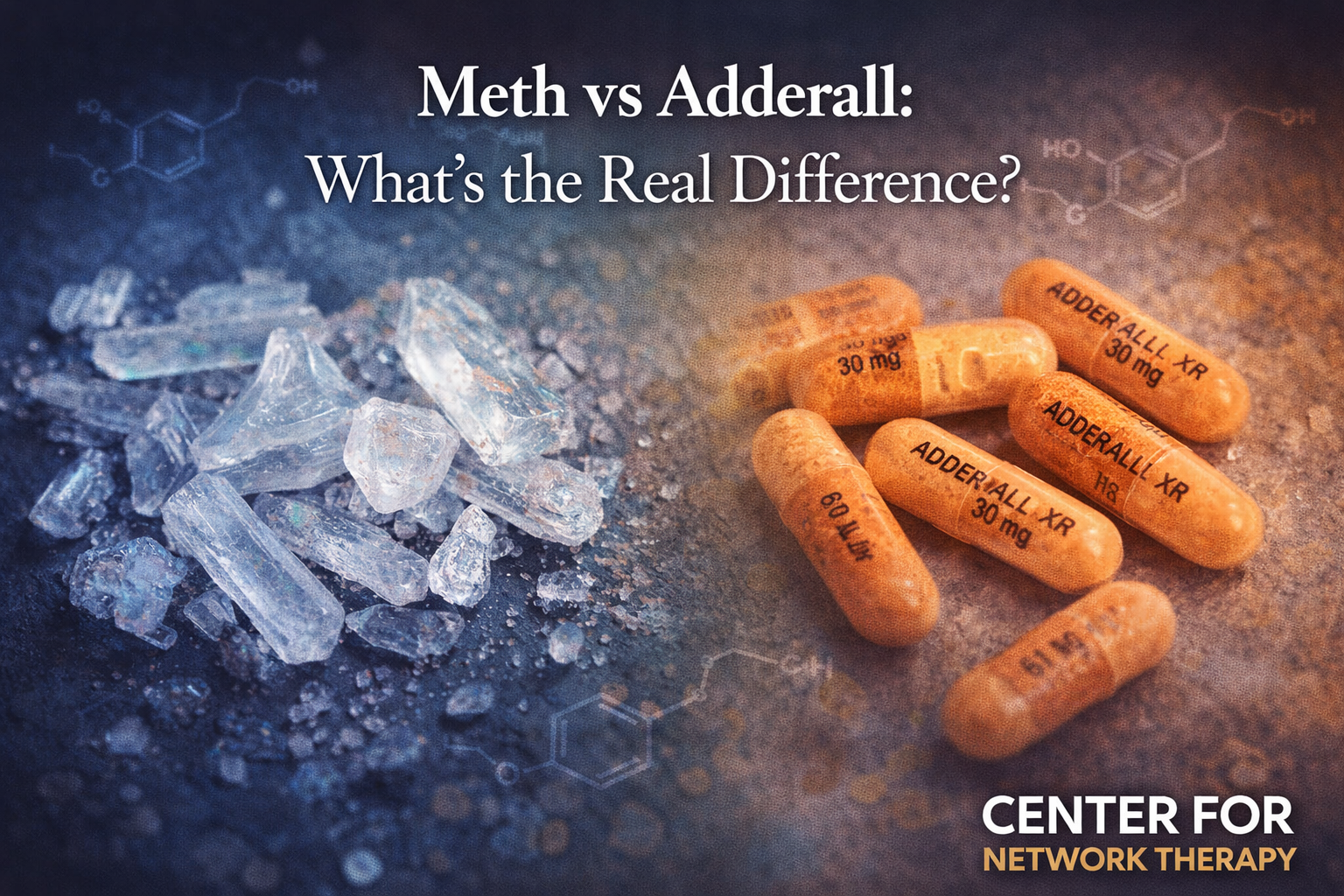
Meth, short for methamphetamine, is a man-made stimulant.
It can appear in different forms:
- Powder
- Pills
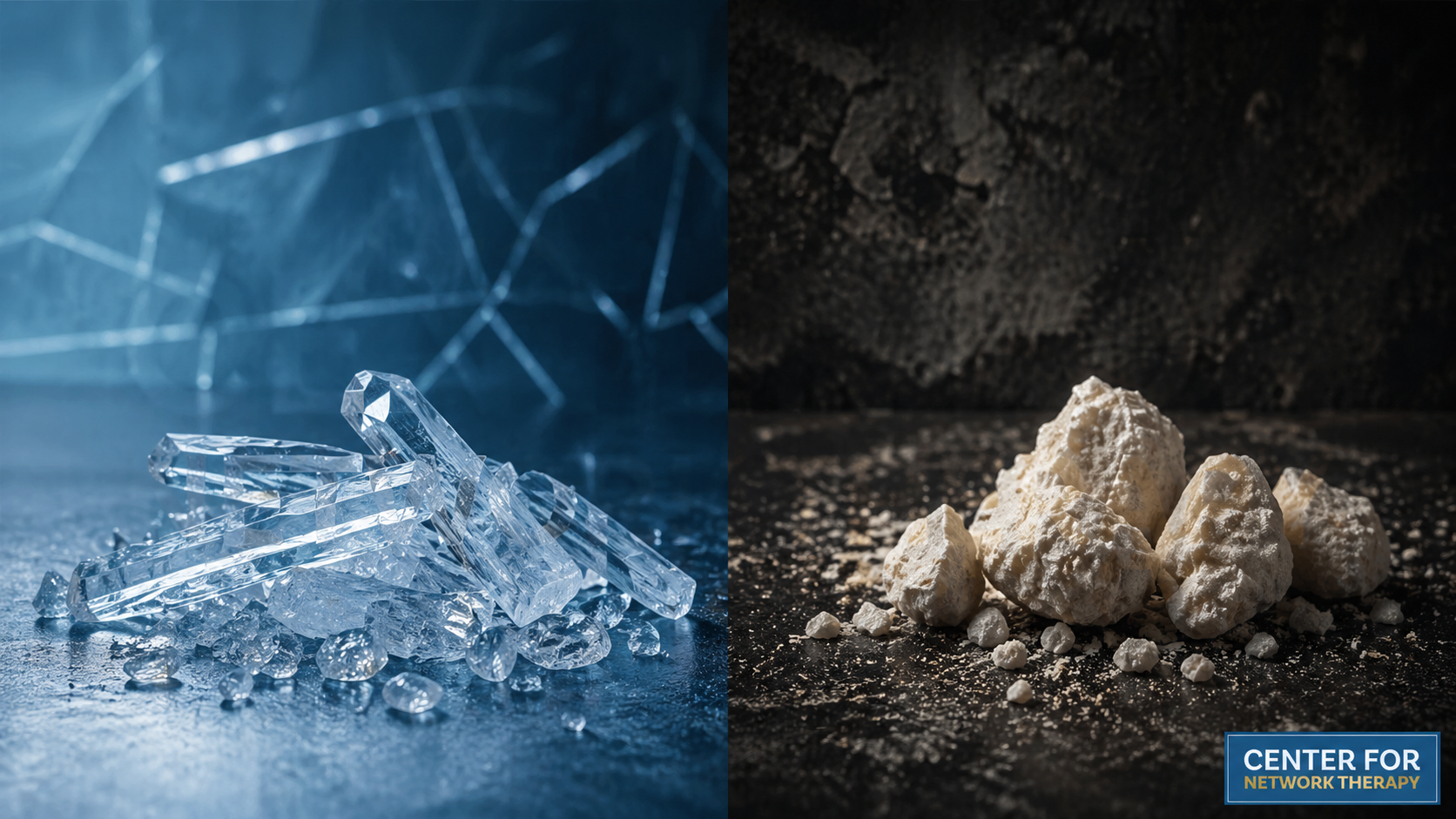
- Crystal-like rocks (often called crystal meth)
It is known for producing a strong rush followed by a long-lasting high.
Because of this extended effect, it can keep people awake for long periods and put heavy strain on the body.
What Is Crack?
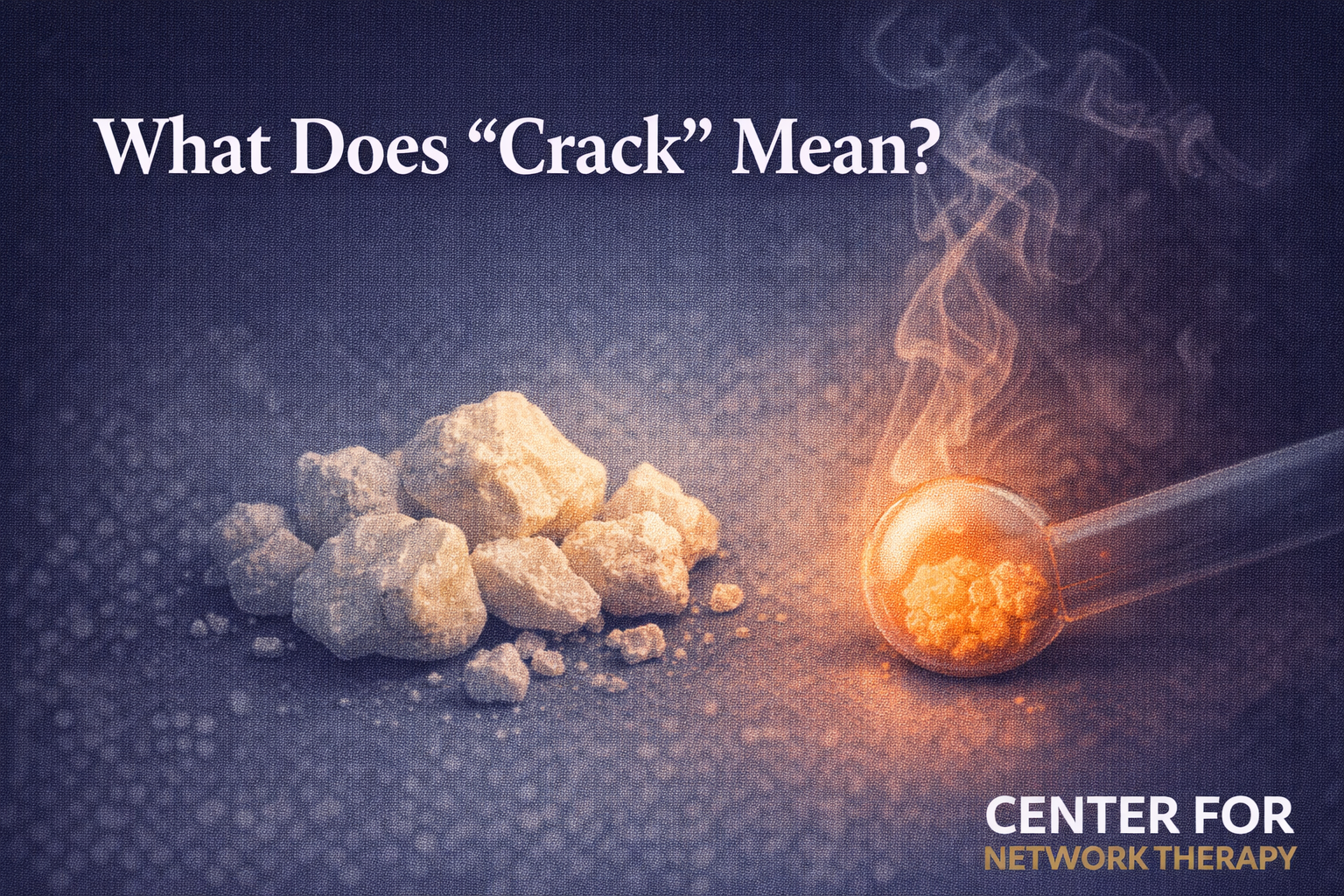
Crack is a form of cocaine that has been processed into small crystals.
It is usually smoked. When heated, it makes a crackling sound. That’s where the name comes from.
Compared to meth, crack produces:
- A very fast onset
- A shorter high
- Intense but brief effects
Because the high fades quickly, repeated use in a short time is common.
If you want to understand how crack is referred to in different contexts, you can explore this here
Key Differences Between Crack and Meth
While both are stimulants, the experience can feel very different.
Meth:
- Synthetic drug
- Long-lasting high
- Slower comedown compared to crack
- Often linked with extended periods of wakefulness
Crack:
- Derived from cocaine
- Very short-lived high
- Quick crash after effects fade
- Often leads to repeated use in short bursts
These differences shape how each drug is used and how patterns of misuse develop.
Which One Is More Dangerous?
This question comes up often. The honest answer is simple.
Neither is “safer.”
Both drugs carry serious risks:
- Addiction
- Overdose
- Mental health changes
- Long-term physical damage
The danger often depends on how frequently the drug is used, how much is taken, and the person’s overall health.
Shared Risks and Side Effects
Even though they are different drugs, many of the risks overlap.
Both can lead to:
- Increased heart rate and blood pressure
- Anxiety or paranoia
- Aggressive or impulsive behavior
- Sleep problems
- Weight loss
Long-term use can affect brain function, decision-making, and emotional stability.
Why Addiction Happens So Quickly
Both crack and meth affect dopamine. This is the chemical linked to reward and motivation.
These drugs release large amounts of it.
That creates a strong “high.”
But over time:
- The brain adjusts
- Natural dopamine production drops
- Cravings increase
This is how dependence builds.
When Use Turns Into a Pattern
It does not always feel obvious in the beginning.
It may start as occasional use. Then it becomes more frequent.
Signs to watch for:
- Using more than intended
- Thinking about the next use often
- Difficulty stopping
- Changes in mood or behavior
If this feels familiar, it may be time to pause and check in.
You can start here
It is Confidential and privaete
FAQs
Is meth stronger than crack?
They differ in how they act. Meth tends to last longer. Crack creates a shorter but intense high.
Do both cause addiction?
Yes. Both have a high risk of dependence due to how they affect the brain.
Which drug has a longer effect?
Meth usually lasts much longer than crack.
Can you overdose on both?
Yes. Both drugs carry a serious overdose risk, especially with repeated or high use.
Why do people compare crack and meth?
Because they are both stimulants with similar visible effects, even though they are chemically different.