Table of Contents
ToggleFetal Alcohol Syndrome in Adults: What Stays, What Changes
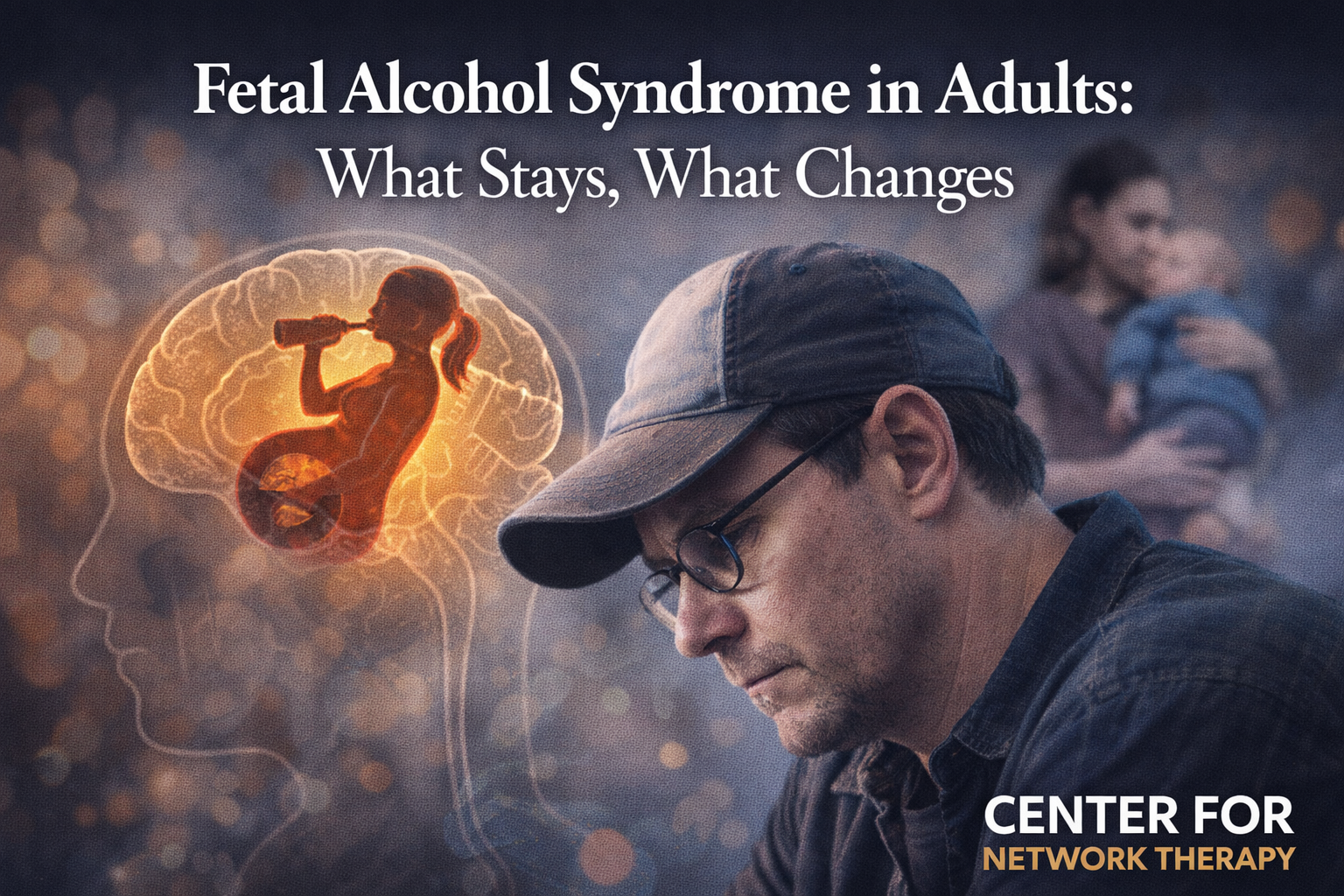
Most people think of fetal alcohol syndrome as something that only affects children.
But it doesn’t stop there. The effects carry into adulthood. They just look different.
Some signs become less obvious. Some struggles become harder to explain.
And many adults go years without even knowing what they’re dealing with.
What Fetal Alcohol Syndrome Actually Means?
Fetal alcohol syndrome, often called FAS, is part of a broader group of conditions known as fetal alcohol spectrum disorders.
It begins before birth.
When alcohol is consumed during pregnancy, it reaches the developing baby through the placenta.
The problem is simple.
A fetus cannot process alcohol the way an adult can.
So even small amounts can affect development.
This can impact:
-
Brain growth
-
Organ development
-
Learning ability
-
Behavior patterns
And once this damage happens, it doesn’t reverse.
Why It Happens?
Alcohol interferes with how the body builds and develops.
It can:
-
Disrupt healthy cell growth
-
Affect how the brain forms connections
-
Reduce oxygen and nutrients reaching the baby
Over time, this leads to changes that show up later in life.
Not always immediately.
But consistently.
How It Shows Up in Childhood?
In early years, signs are often easier to spot.
Some children may have:
-
Lower body weight and slower growth
-
Distinct facial features like a smooth space between the nose and lip
-
Difficulty with memory and attention
-
Trouble with coordination or movement
You might also notice behavior patterns.
-
High energy but low focus
-
Difficulty understanding boundaries
-
Learning delays
These early signs often shape how things unfold in adulthood.
What Changes in Adulthood?
As a person grows, the physical signs may soften.
But the internal challenges don’t disappear.
They shift.
Adults with FAS may still have:
-
Shorter height or smaller head size
-
Subtle facial differences
-
Slower processing speed
But the bigger impact is often mental and emotional.
Mental Health and Daily Life Challenges
This is where it becomes more visible.
Daily life can feel harder than it should.
You may see:
-
Trouble focusing or completing tasks
-
Difficulty planning or making decisions
-
Memory gaps
-
Emotional reactions that feel hard to control
Mental health struggles are also common.
-
Anxiety
-
Depression
-
Social discomfort
-
Impulsive behavior
These are not personality flaws.
They are part of how the brain has developed.
The Part People Don’t Talk About Enough
Adulthood comes with expectations.
Work. Money. Relationships. Independence.
For someone with FAS, these areas can feel overwhelming.
Many adults need support with:
-
Managing finances
-
Holding steady jobs
-
Maintaining routines
-
Navigating social situations
Without support, it can lead to frustration.
Or feeling like you’re always falling behind.
How Diagnosis Works in Adults
Diagnosis isn’t always straightforward.
In children, physical signs make it easier.
In adults, those signs may not be as clear.
Doctors usually look at a combination of:
-
Physical features
-
Cognitive and behavioral patterns
-
Development history
Sometimes, getting a clear history of prenatal alcohol exposure is difficult.
So many adults remain undiagnosed.
Is There Treatment?
There’s no cure.
But there is support.
And that changes everything.
Treatment focuses on making daily life more manageable.
This can include:
-
Therapy to build coping skills
-
Support for learning and behavior
-
Medication for mental health symptoms
The goal is not to “fix” the condition.
The goal is to help you function better with it.
Where Substance Use Can Intersect
Some adults with FAS turn to alcohol or substances.
Not always for escape.
Sometimes just to feel normal or slow things down.
But this can create a cycle that’s harder to break.
If that’s part of the picture, structured support matters.
You can understand how substance risks evolve and why small amounts can have strong effects here
If You’re Trying to Make Sense of This
Maybe this feels familiar. Maybe you’re connecting dots for the first time.
Or maybe you’re supporting someone who is. Start simple. Take a step back and understand where things stand.
A Thought to Carry Forward
Not everything you struggle with is something you chose. Some things began long before you had control.
But what you do next still matters. Support exists. Understanding helps.
And life can still be shaped in a way that works for you.
FAQs
Can fetal alcohol syndrome be diagnosed in adults?
Yes, but it can be harder.
Physical signs may not be obvious, so doctors rely more on behavior patterns, cognitive challenges, and history.
Do symptoms get better with age?
Some physical signs become less noticeable.
But mental and behavioral challenges often continue and need support.
Is fetal alcohol syndrome the same for everyone?
No.
The severity varies widely.
Some people have mild learning issues, while others need daily support.
Can adults with FAS live independently?
Some can.
Others may need help with structure, routines, or decision-making.
Support level depends on the individual.
What should I do if I think I or someone I know has FAS?
Start by understanding the symptoms and patterns.
You can also take a confidential self-check here
Then consider speaking with a professional for proper guidance.