Table of Contents
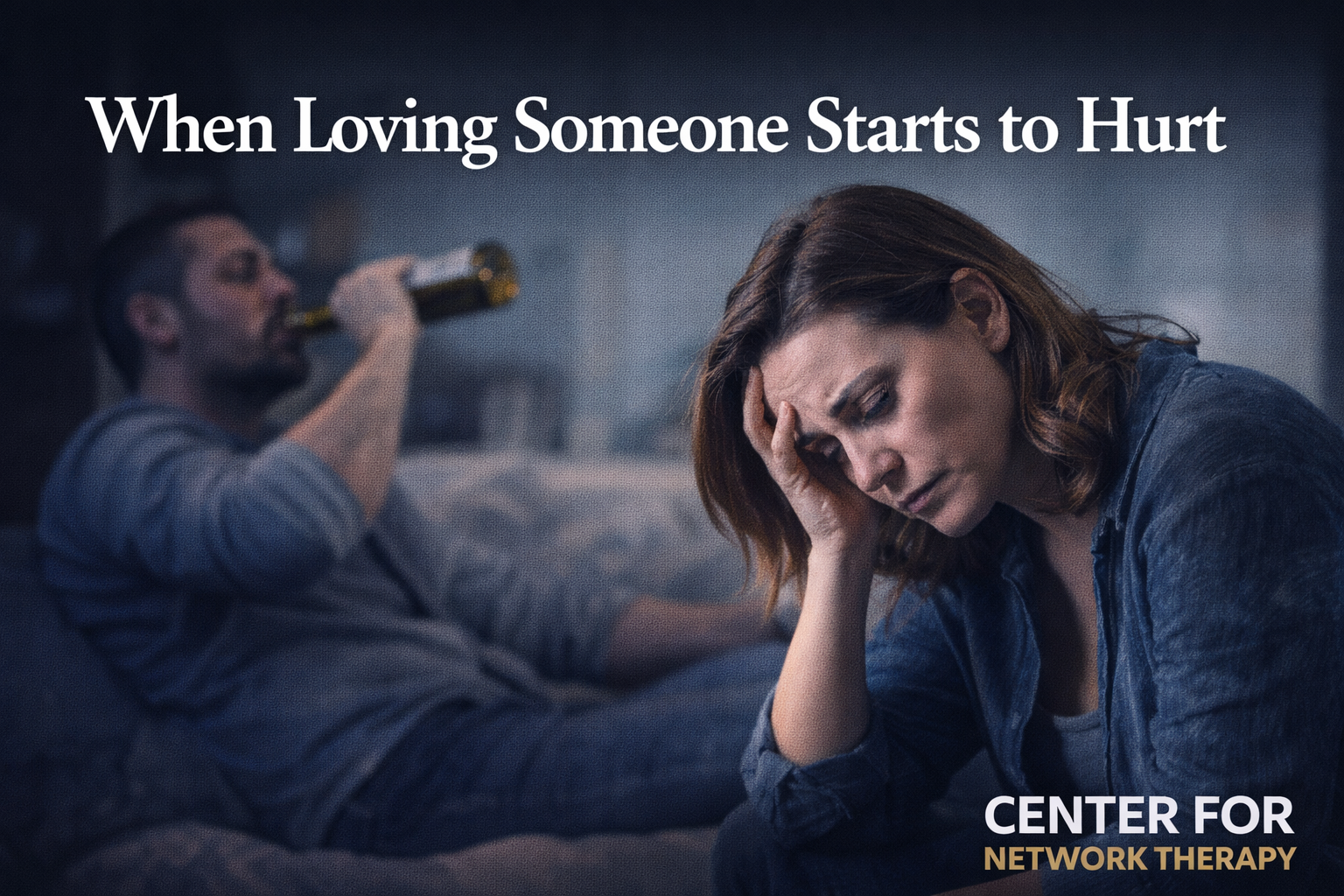
ToggleWhen Loving Someone Starts to Hurt
Being with someone who struggles with alcohol isn’t always loud or obvious.
Sometimes, it looks like waiting. Waiting for them to come home. Waiting for them to change. Waiting for things to go back to how they were. And slowly, without you realizing it, your life starts revolving around their drinking.
You adjust. You manage. You tolerate.
Until one day, you start asking yourself something you never thought you would:
Is this still okay for me?
What Alcohol Addiction Can Look Like in a Relationship
It’s not always easy to label it.
Especially when you care about the person.
But certain patterns don’t lie.
You might notice:
-
They promise to cut down, but don’t follow through
-
They hide how much they drink
-
Conversations turn into arguments about alcohol
-
Responsibilities start falling on you
-
Their behavior changes when they drink
You might also feel:
-
Drained from handling everything alone
-
Anxious about their health or safety
-
Frustrated, but guilty for feeling that way
It doesn’t always happen overnight.
It builds quietly.
The Impact It Has on You (That You Might Be Ignoring)
You start adjusting your life around their habits.
-
You cover up for them
-
You take on extra financial or emotional load
-
You stop doing things you once enjoyed
And the hardest part? You may begin to lose your sense of normal.
What once felt unacceptable slowly starts feeling routine.
Have you noticed that shift in yourself?
Can They Change?
Yes. People do recover.
But change doesn’t happen because you love them enough.
It happens when they decide to take responsibility. You can support someone. You can encourage them. You can stand beside them.
But you cannot do the work for them.
If they’re open to help, there’s a real path forward.
Structured care like medical detox and supervised recovery programs can make a big difference.
You can explore how that works here
Trying to Help Without Losing Yourself
If you want to encourage change, keep it simple and honest.
-
Choose a calm moment
-
Speak about what you’ve experienced, not what they’ve done wrong
-
Be clear about how their drinking is affecting you
For example:
“I feel exhausted managing everything alone.”
“I’m worried about where this is going.”
Not:
“You always ruin everything.”
The goal isn’t to win an argument.
It’s to open a door.
But also be prepared.
They might deny it.
They might deflect.
They might promise change and not follow through.
What matters is what happens after the conversation.
When Staying Starts Costing You Too Much
There’s no perfect moment where the answer becomes obvious.
But there are patterns that matter.
You may need to rethink the relationship if:
-
There’s repeated dishonesty
-
You feel unsafe emotionally or physically
-
Nothing changes despite multiple attempts
-
You feel more anxious than at peace
And one important truth: Staying out of fear is not the same as staying out of love.
You deserve stability. You deserve respect.
You deserve a life that doesn’t feel like constant damage control.
Do You Have to Stop Drinking Too?
If your partner decides to recover, your role matters. Even casual drinking around them can become a trigger. It can confuse boundaries. It can slow their progress. You don’t have to be perfect.
But you do have to be aware.
Ask yourself:
Am I helping their recovery, or making it harder?
You Don’t Have to Figure This Out Alone
This situation is heavy. And confusing. Some days you want to help. Some days you want to leave. Some days you don’t know what you want. That’s normal.
If you’re unsure what to do next, start small.
Take this confidential self-check quiz
It can help you understand where things stand without pressure.
A Thought to Carry Forward
Loving someone should not feel like losing yourself.
Support is powerful.
But so is knowing when to step back.
You’re allowed to choose a life that feels safe, steady, and yours.
FAQs
How do I know if my partner’s drinking is a real problem?
Look at patterns, not isolated incidents.
If drinking is affecting their responsibilities, behavior, or your relationship, it’s worth taking seriously.
Can someone quit alcohol without professional help?
Some people try, but it can be difficult and sometimes unsafe.
Supervised programs make the process more stable and manageable, especially when withdrawal is involved.
Is it wrong to leave someone because of addiction?
No.
Caring about someone doesn’t mean sacrificing your own well-being.
You can care and still choose to walk away.
What if they promise to change but don’t?
Promises without action become a cycle.
Focus on consistent behavior, not temporary effort.
What should I do first if I feel stuck?
Start by understanding your situation clearly.
Then decide your next step from a calmer, more informed place.