Table of Contents
ToggleWhat Helps With Alcohol Withdrawal?
Alcohol withdrawal is not just uncomfortable. It can feel unpredictable and overwhelming.
Some people deal with mild symptoms like anxiety or poor sleep. Others experience intense cravings, shaking, or worse. That’s often where people slip. Not because they want to go back, but because the discomfort feels too much.
If you’re going through this, you’re not weak. Your body is adjusting.
The goal is not to “power through.” The goal is to get through it safely.
Start Here: Don’t Do This Alone
The biggest mistake people make is isolating.
Withdrawal is both physical and mental. You need support for both.
Tell someone you trust. Keep them around. Even if they’re just sitting with you or checking in, it helps more than you think.
If symptoms feel intense or unpredictable, professional support matters. This is where structured care can make a real difference. You can read more here
What Actually Helps During Withdrawal
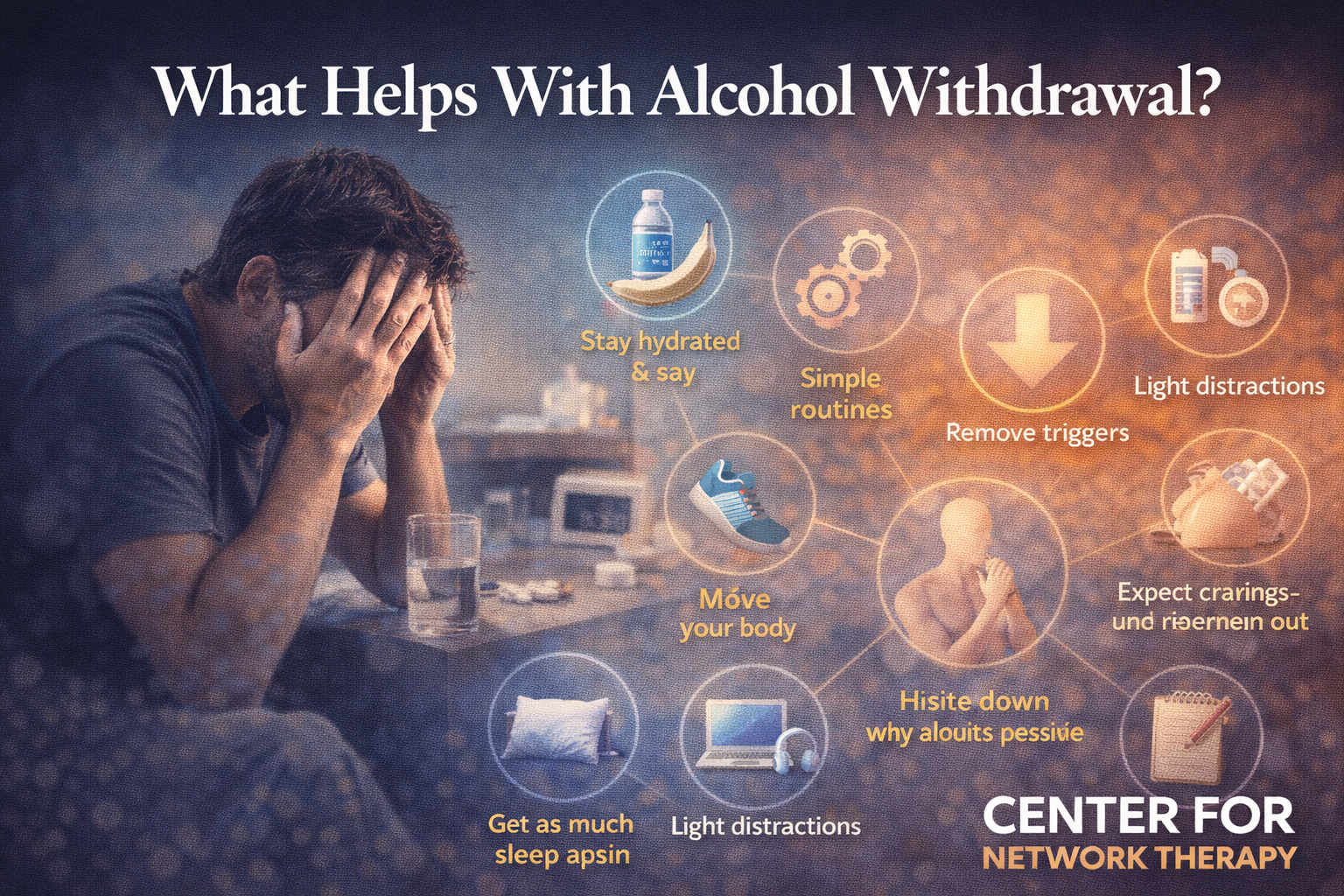
There’s no single fix. It’s a mix of small things that make the process manageable.
Here’s what helps in real terms.
1. Stay hydrated
Alcohol drains your body.
Drink water regularly. Add electrolytes if you can. It helps with headaches, fatigue, and nausea.
2. Eat even if you don’t feel like it
Your appetite may be low.
Still, try small meals. Fruits, simple carbs, and light proteins help your body recover faster.
3. Expect cravings and ride them out
Cravings come in waves.
They rise. They peak. Then they pass.
If you wait it out, it loses power. If you react, it strengthens the cycle.
4. Remove triggers around you
Stay away from people or places linked to drinking.
This is not permanent. It’s just for now, while your system is stabilizing.
5. Keep your mind busy
Silence makes cravings louder.
Watch something. Read. Clean. Do anything that holds your attention for a while.
6. Move your body a little
You don’t need a full workout.
A short walk helps. Stretching helps. Even standing in fresh air helps reset your head.
7. Use simple breathing techniques
When anxiety spikes, your breathing changes.
Slow it down.
Breathe in through your nose. Hold for a few seconds. Exhale slowly. Repeat.
8. Try short moments of stillness
You don’t need long meditation sessions.
Just sit quietly for a few minutes. Let your thoughts pass without reacting to them.
9. Sleep whenever you can
Sleep will be inconsistent.
Take it when it comes. Even short naps help your body recover.
10. Take cold or warm showers
This can reset your system quickly.
It helps with restlessness, body discomfort, and even cravings.
11. Write down why you started
During tough moments, your brain will try to convince you to drink again.
Write your reasons clearly. Read them when things feel shaky.
12. Don’t trust “just one drink” thoughts
Your mind will try to negotiate.
It will tell you one drink will fix everything.
It won’t. It resets the cycle.
13. Limit caffeine
Coffee can increase anxiety and restlessness during withdrawal.
Keep it minimal while your system settles.
14. Try light distractions you enjoy
Music, shows, or even simple games can help shift focus.
You’re not avoiding the process. You’re helping yourself get through it.
15. Rebuild simple routines
Wake up. Eat. Move. Rest.
Structure reduces chaos during withdrawal.
16. Start something small
Pick one simple activity.
Reading a few pages. Organizing a drawer. Anything that gives a sense of progress.
17. Be ready for emotional swings
You may feel irritated, low, or anxious.
This is part of withdrawal. It does pass.
18. Know when to get medical help
This part matters.
If you notice severe symptoms like confusion, hallucinations, or seizures, don’t wait.
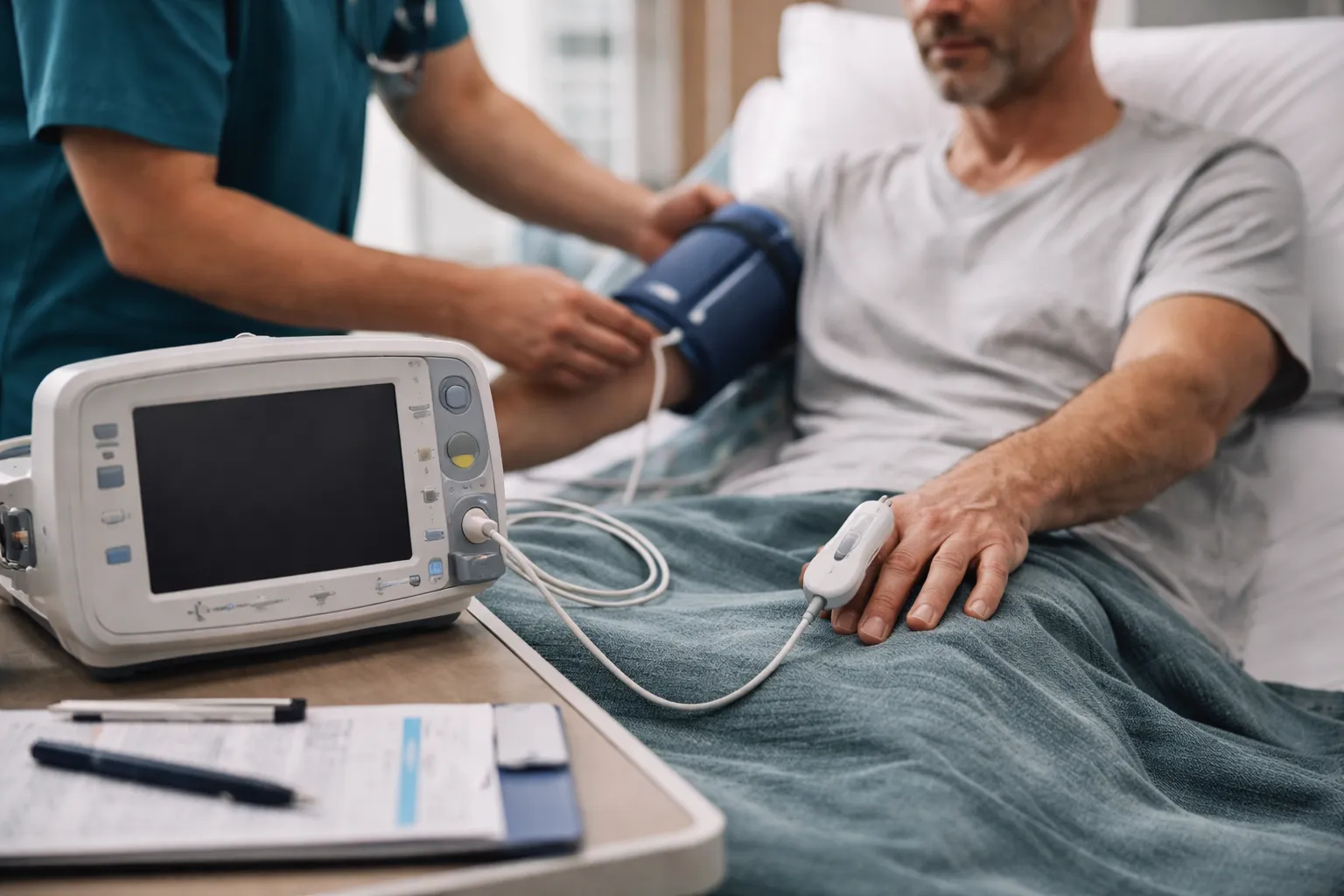
Withdrawal can become dangerous quickly. Medical support is not optional in those cases.
Take a Confidential Self-Check
Not sure how serious your situation is?
Take this quick anonymous and confidential quiz
It’s 100% Private. It helps you understand where you stand.
FAQs
Can I manage alcohol withdrawal at home?
Mild symptoms can sometimes be managed with rest, hydration, and support. But symptoms can escalate quickly. It’s safer to speak with a professional before starting.
What helps reduce cravings the most?
Time and consistency. Cravings peak and fade. Staying busy, avoiding triggers, and having support makes them easier to handle.
What should I eat during withdrawal?
Simple, balanced meals. Fruits, vegetables, and light proteins help your body recover. Small portions are fine if appetite is low.
How long does withdrawal last?
It varies. Some symptoms start within hours. Most physical symptoms improve within a few days. Mental cravings can last longer.
When should I seek medical help?
If symptoms go beyond mild discomfort. Signs like confusion, shaking that worsens, or hallucinations need immediate attention.