Table of Contents
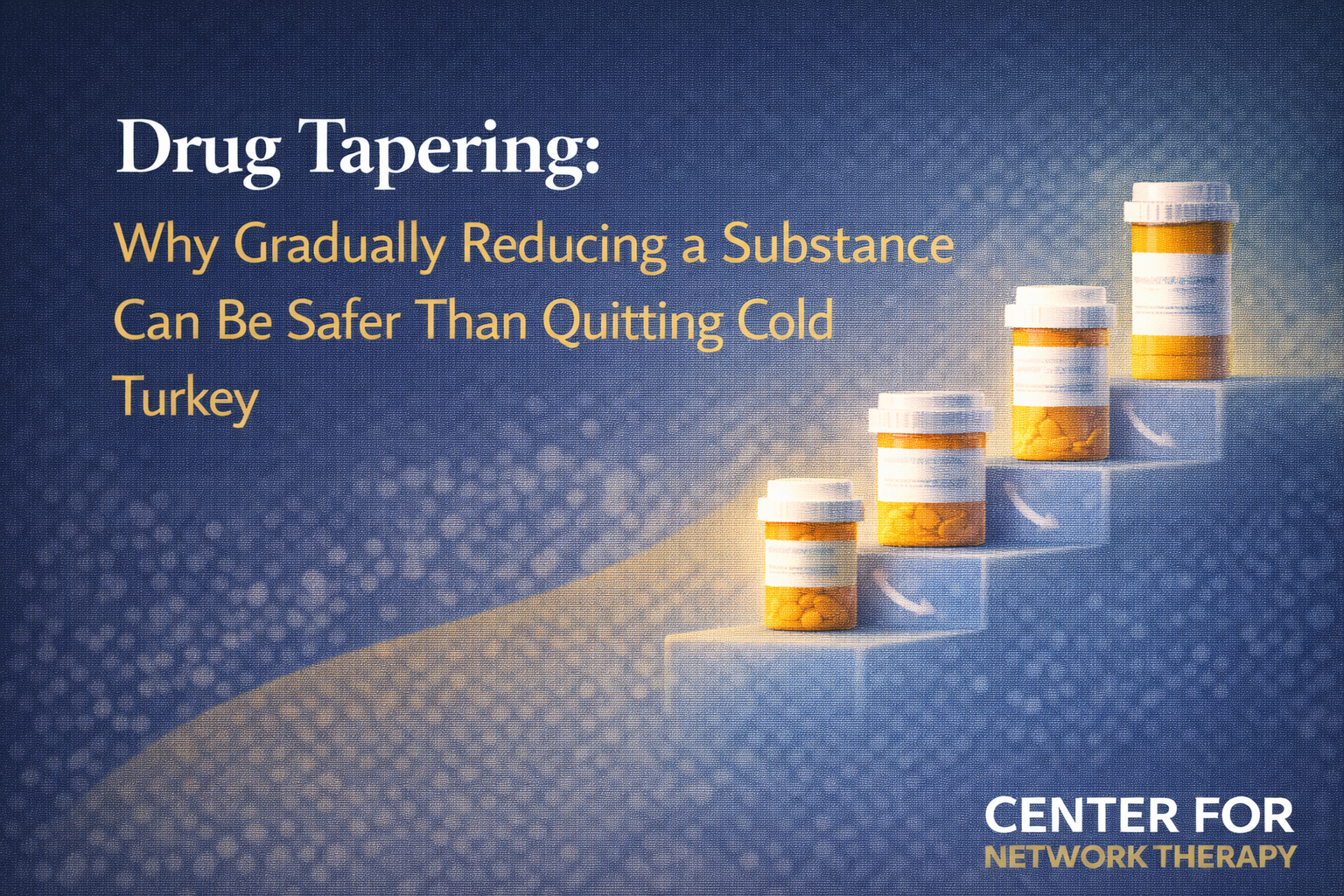
ToggleDrug Tapering: Why Gradually Reducing a Substance Can Be Safer Than Quitting Cold Turkey
Stopping drugs or alcohol is rarely as simple as deciding to stop.
For many people, the body has already adapted to the substance. When the drug disappears suddenly, the nervous system reacts. That reaction is called withdrawal.
Sometimes the symptoms are uncomfortable.
Sometimes they are dangerous.
Because of this, medical professionals often use a method called drug tapering. Instead of stopping abruptly, the dose is slowly reduced over time so the body can adjust safely.
At treatment programs across New Jersey, tapering plans are often part of supervised detox programs because they help reduce severe withdrawal symptoms and make early recovery more manageable.
What Is Drug Tapering?
Drug tapering means gradually lowering the dose of a medication or substance instead of stopping all at once.
The goal is simple.
Give the body time to adapt.
When someone uses a drug regularly, the brain begins adjusting its chemistry around that substance. If the drug suddenly disappears, the brain struggles to rebalance itself.
That imbalance can cause symptoms like:
• Anxiety
• Nausea
• Insomnia
• Rapid heart rate
• Irritability
In some cases, withdrawal can become life-threatening. This risk is especially high with substances such as alcohol, benzodiazepines, or opioids.
A taper helps reduce the shock to the system.
Instead of the brain reacting all at once, it adjusts slowly as the dose becomes smaller.
Why Some Substances Should Never Be Stopped Suddenly?
Not every medication requires tapering.
But many do.
The substances most often tapered include:
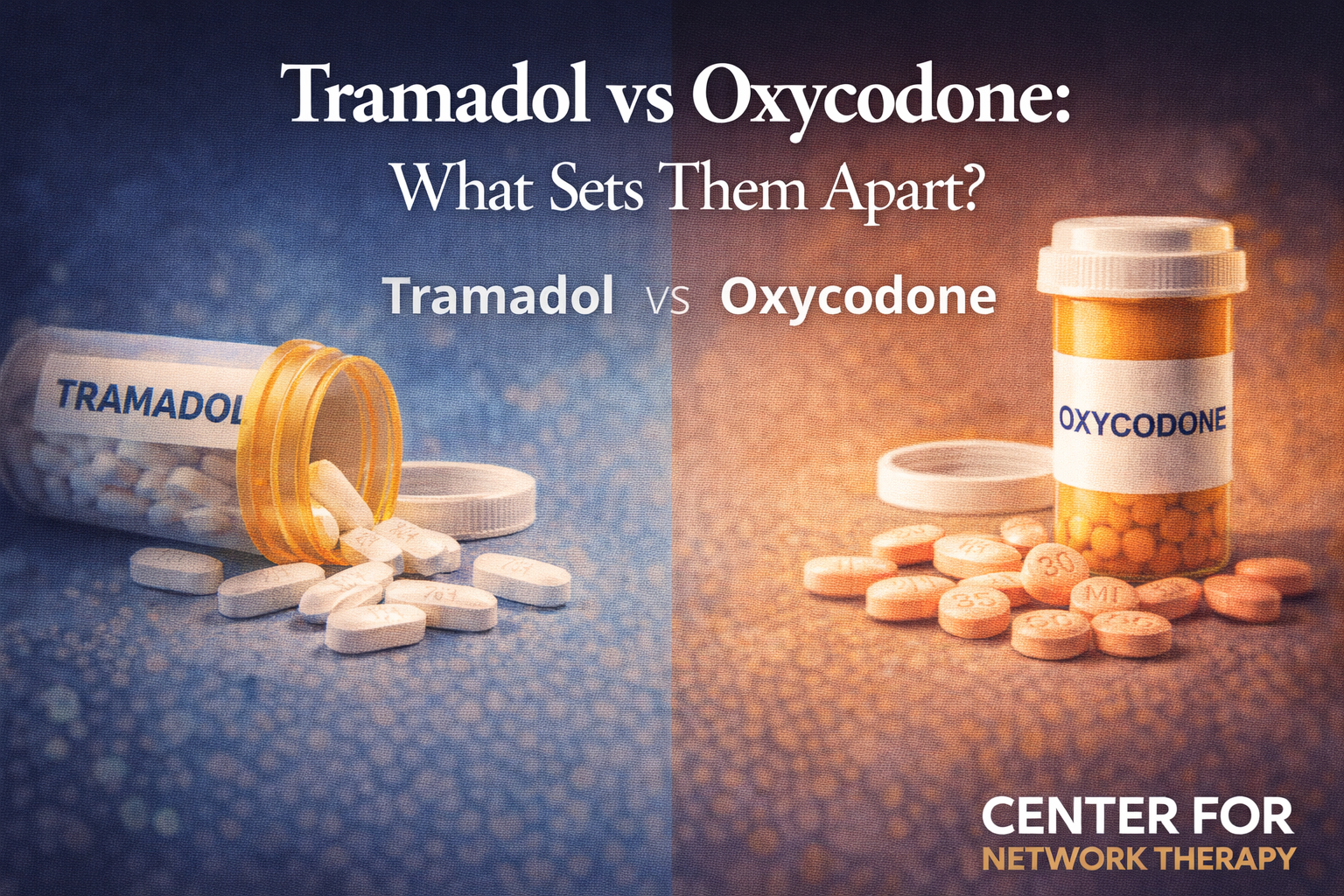
• Opioids such as oxycodone or hydrocodone
• Benzodiazepines like Xanax or Valium
• Alcohol after heavy or long-term use
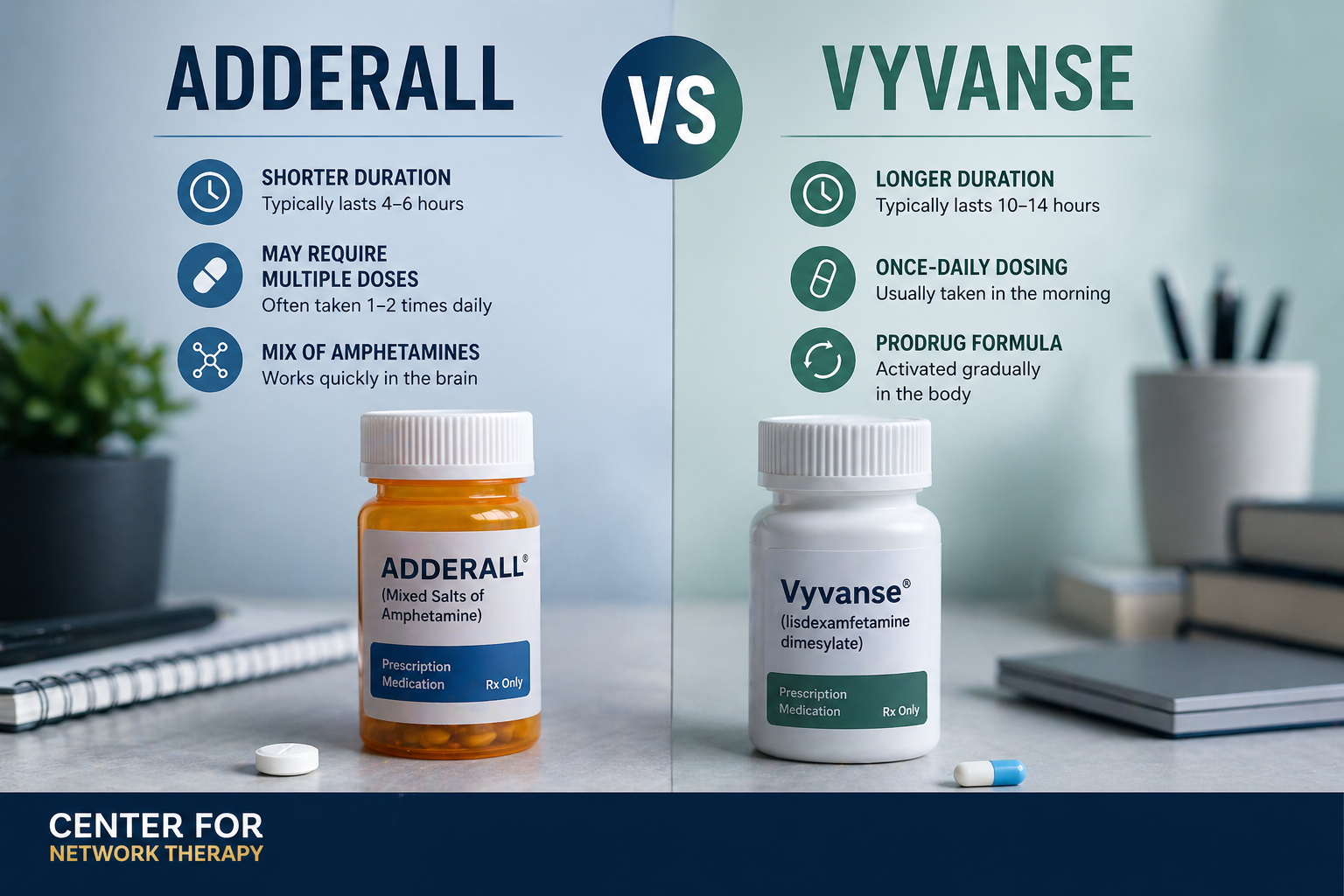
• Stimulants such as Adderall
• Certain antidepressants
• Anti-seizure medications
• Steroids like prednisone
Each of these affects the central nervous system in different ways. When the body has grown dependent on them, stopping suddenly can trigger serious withdrawal symptoms.
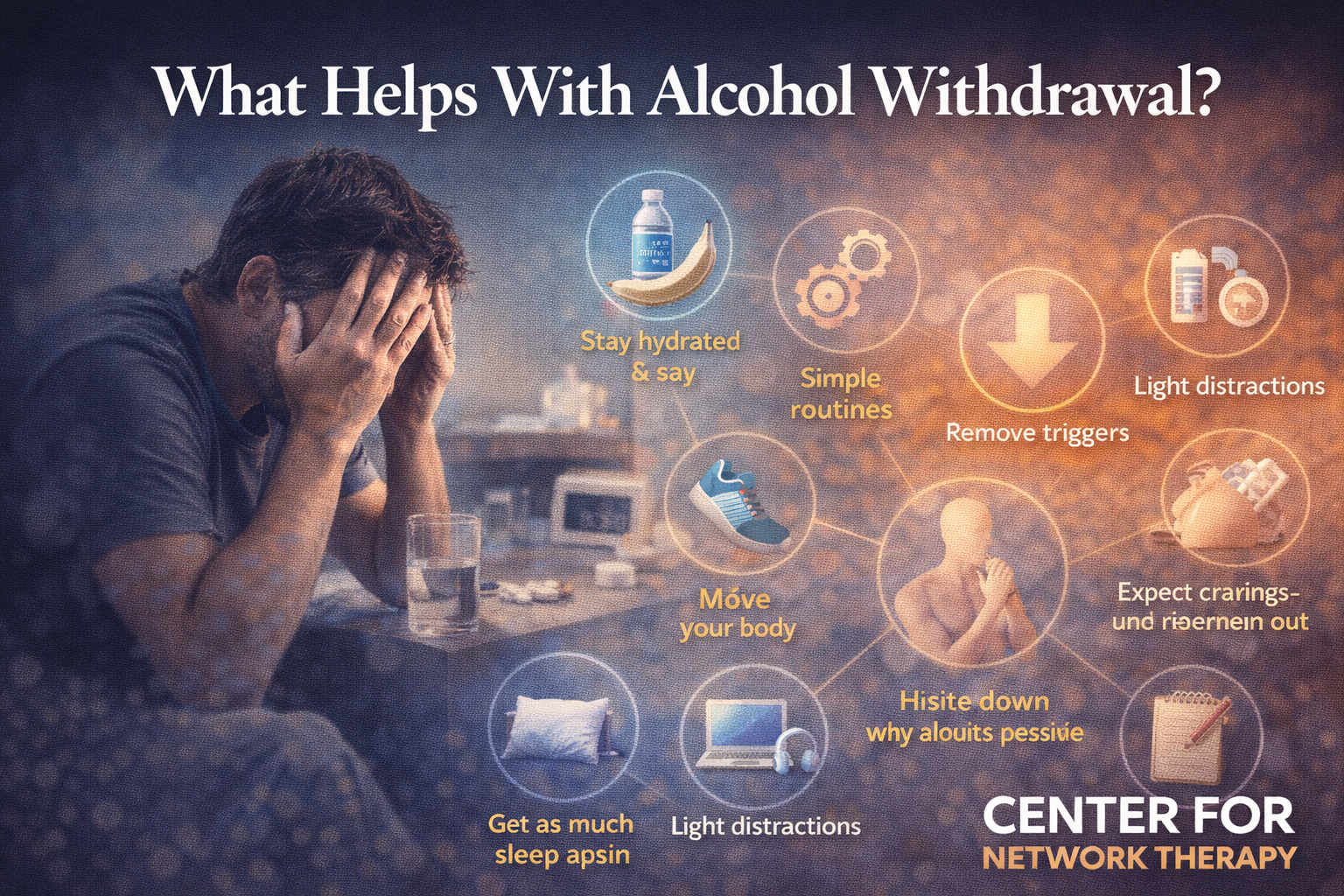
Alcohol withdrawal is a well-known example.
In severe cases it can lead to seizures or a dangerous condition called delirium tremens. That is one reason medically supervised detox programs often monitor people closely during the early stages of recovery.
If you want a deeper look at how alcohol withdrawal works, this guide explains the process and why medical detox can help
How Drug Tapering Works in Treatment Programs?
A taper plan is never one-size-fits-all.
Doctors consider several factors before designing a schedule:
• The substance being used
• How long the person has been using it
• The current dosage
• Physical health and mental health history
• Previous withdrawal experiences
Once those details are clear, the dose is slowly reduced over time.
For example, a taper might look like this:
Week 1
Reduce the dose slightly
Week 2–3
Lower the dose again once the body stabilizes
Week 4 and beyond
Continue gradual reductions until the medication is discontinued
The timeline can vary widely.
Some tapers last a few weeks. Others may take months depending on the substance and the individual.
The goal is not speed.
The goal is safety.
Tapering vs Quitting Cold Turkey
People sometimes try to stop substances on their own without medical guidance.
This is often called quitting cold turkey.
While it may sound straightforward, it can place significant stress on the body.
Withdrawal symptoms may include:
• Nausea or vomiting
• Sweating and chills
• Insomnia
• Anxiety or panic
• Depression
• Rapid heart rate
For substances like alcohol or benzodiazepines, withdrawal can even trigger seizures.
A taper reduces that risk by letting the brain gradually re-balance itself instead of forcing a sudden change.
Common Withdrawal Symptoms During a Taper
Even when tapering is done carefully, some withdrawal symptoms may still appear.
These symptoms usually fall into two stages.
Early physical symptoms
• Nausea
• Sweating
• Diarrhea
• Restlessness
• Trouble sleeping
Later emotional symptoms
• Irritability
• Anxiety
• Low mood
• Cravings
Because symptoms can shift quickly, supervised detox programs monitor patients closely and adjust taper schedules if needed.
Types of Drug Tapering Doctors May Use
Medical professionals may use different taper strategies depending on the situation.
Direct taper
The most straightforward method.
The original medication is slowly reduced in small steps until the person stops completely.
Substitution taper
Sometimes a short-acting or unpredictable substance is replaced with a longer-acting medication that doctors can control more easily.
That replacement drug is then tapered gradually.
This method is commonly used with certain opioids and benzodiazepines.
Cross taper
A cross taper happens when one medication is gradually reduced while another medication is slowly introduced.
Doctors sometimes use this approach when transitioning between medications.
How Long Does a Drug Taper Take?
There is no universal timeline.
Two people using the same drug may taper at completely different speeds.
Factors that influence taper length include:
• Dose strength
• Length of use
• Individual metabolism
• Overall physical health
• Withdrawal symptoms during the taper
In some cases, a taper may take several weeks.
In others, it may take several months.
The process often slows down if withdrawal symptoms become intense.
Medication-Assisted Treatment During Tapering
Many detox programs combine tapering with Medication-Assisted Treatment (MAT).
MAT pairs medication support with therapy and counseling.
This approach helps address both:
• The physical withdrawal symptoms
• The emotional and behavioral patterns linked to addiction
Common medications used in treatment programs may reduce cravings or ease withdrawal discomfort.
When combined with counseling, they can help stabilize the early stages of recovery.
Why Medical Supervision Matters?
Trying to taper alone can be risky.
Dosages may be miscalculated.
Symptoms may escalate unexpectedly.
Medical teams monitor several factors during detox:
• Vital signs
• Hydration levels
• Mental health symptoms
• Withdrawal severity
If symptoms increase, doctors can slow the taper or provide supportive care.
That level of monitoring can make a major difference during the first phase of recovery.
A Thought to Carry Forward
The first step toward recovery is often the hardest.
Many people worry about withdrawal long before they think about treatment.
But stopping safely does not mean facing the process alone.
Supervised tapering plans allow the body to stabilize while recovery begins.
For individuals exploring outpatient detox programs in East Brunswick, Edison, Freehold, West Orange, or elsewhere in New Jersey, medical teams can guide the process step by step so the transition away from substances is safer and more manageable.
FAQ
What is drug tapering?
Drug tapering is the gradual reduction of a medication or substance over time. It allows the body to adjust slowly instead of experiencing the shock of sudden withdrawal.
Is tapering safer than quitting cold turkey?
In most cases, yes. Tapering reduces the severity of withdrawal symptoms and lowers the risk of complications, especially for substances like alcohol, opioids, and benzodiazepines.
How long does a taper usually take?
The timeline varies widely. Some tapers last a few weeks, while others may take months depending on the substance, dosage, and individual health factors.
Can I taper off medication at home?
Some medications can be tapered at home under a doctor’s guidance. Substances like alcohol or benzodiazepines often require medical supervision because withdrawal can become dangerous.
Does tapering completely prevent withdrawal symptoms?
Not always. Some symptoms may still occur, but tapering typically reduces their severity and makes them easier to manage with medical support.