Table of Contents
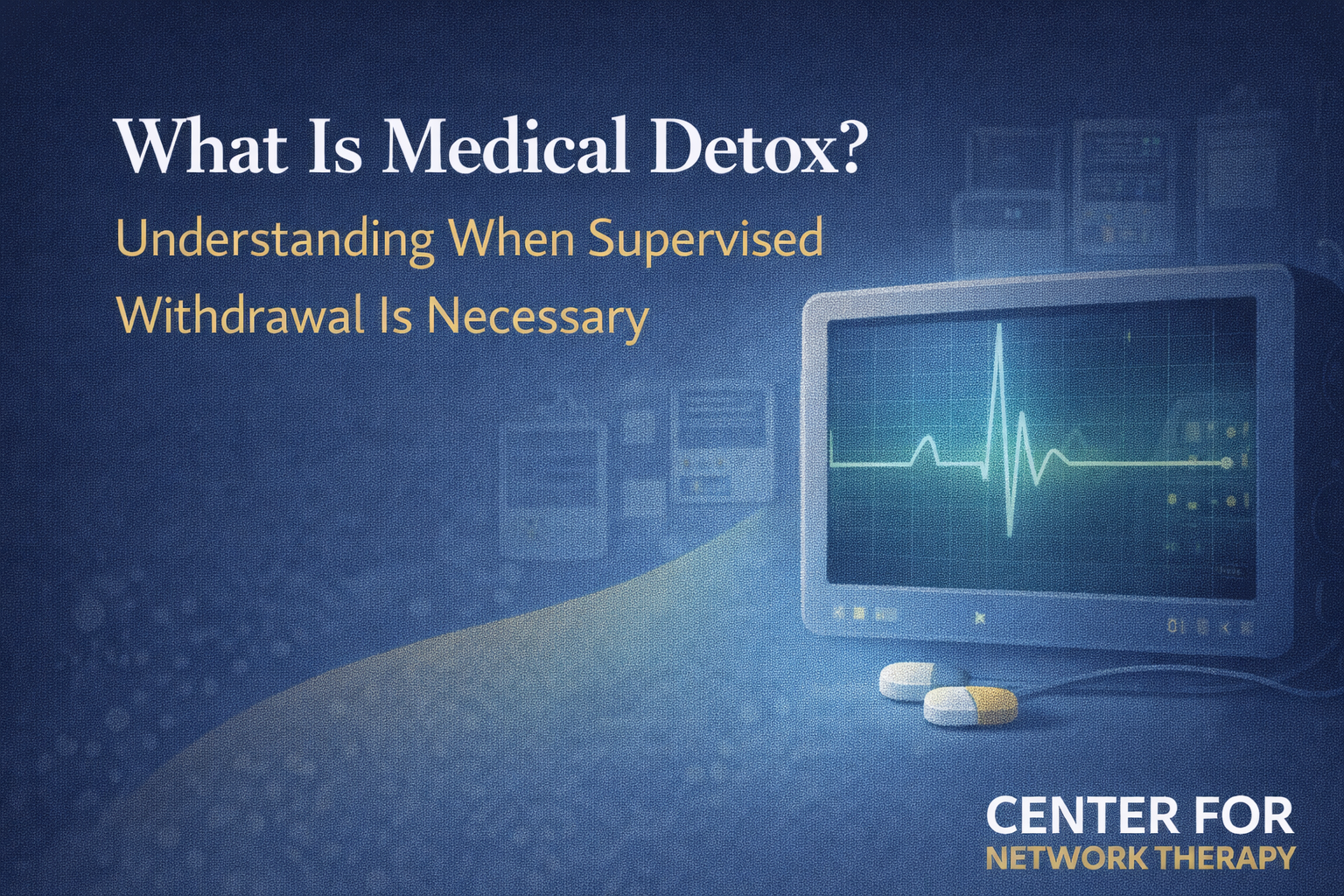
ToggleWhat Is Medical Detox? Understanding When Supervised Withdrawal Is Necessary
The word “detox” gets used casually.
Juice cleanses. Sugar resets. Social media breaks.
Medical detox is something entirely different.
Medical detox refers to the supervised process of stabilizing the body after reducing or stopping alcohol, drugs, or certain prescription medications. It is conducted under medical oversight to monitor withdrawal symptoms and prevent complications.
It is not a wellness trend.
It is a medical intervention.
What Medical Detox Actually Does
Addiction is a chronic medical condition. Like asthma or diabetes, it can flare up. Withdrawal is one of those acute flare-ups.
Medical detox focuses on:
• Stabilizing vital signs
• Managing withdrawal symptoms
• Preventing medical emergencies
• Preparing for ongoing treatment
It does not cure addiction. It creates safety during a vulnerable transition.
Think of it as stabilization, not resolution.
When Is Medical Detox Necessary?
Not everyone who stops using substances requires medical detox. But it becomes important when physical dependence has developed.
Signs that medical supervision may be needed include:
• Regular use in high amounts
• Long-term use
• Needing increasing amounts for the same effect
• Experiencing withdrawal symptoms when stopping
• Failed attempts to quit alone
Withdrawal is the body’s reaction to losing a substance it has adapted to.
For some substances, withdrawal can be dangerous. For others, it is intensely uncomfortable but not life-threatening. Either way, medical evaluation helps determine the safest plan.
Substances That Commonly Require Medical Detox
Alcohol
Alcohol withdrawal can range from mild anxiety to seizures and delirium tremens.
Possible symptoms include:
• Elevated heart rate
• Tremors
• High blood pressure
• Sweating
• Hallucinations
• Seizures
Severe alcohol withdrawal can be life-threatening without medical care.
Benzodiazepines
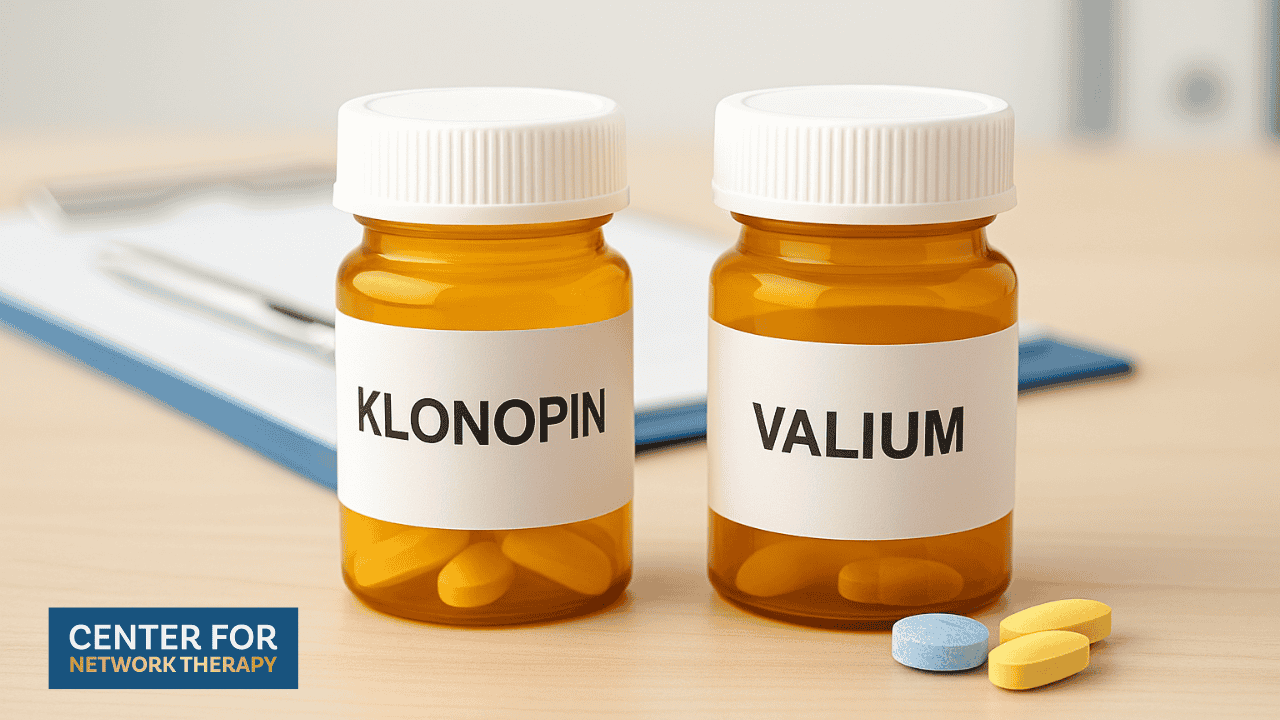
Medications like alprazolam or clonazepam affect the central nervous system. Sudden discontinuation can trigger:
• Severe anxiety
• Agitation
• Insomnia
• Tremors
• Seizures
Benzodiazepine withdrawal must be medically supervised.
Opioids
Opioid withdrawal is typically not fatal but can be extremely distressing.
Symptoms may include:
• Muscle aches
• Nausea
• Vomiting
• Cold sweats
• Anxiety
• Insomnia
The discomfort alone often drives relapse without support.
Stimulants
Cocaine and methamphetamine withdrawal usually does not cause dangerous physical symptoms. However, intense depression, fatigue, and cravings increase relapse risk.
Unlike opioids or alcohol, there is no FDA-approved medication-assisted treatment for stimulant withdrawal. Structured detox and monitoring remain essential.
Understanding gaps in overdose reporting is also important when discussing stimulant risks. Many families are unaware how incomplete overdose data can be. You can read more here:
Clear data matters when evaluating risk and safety.
Prescription and Synthetic Drugs
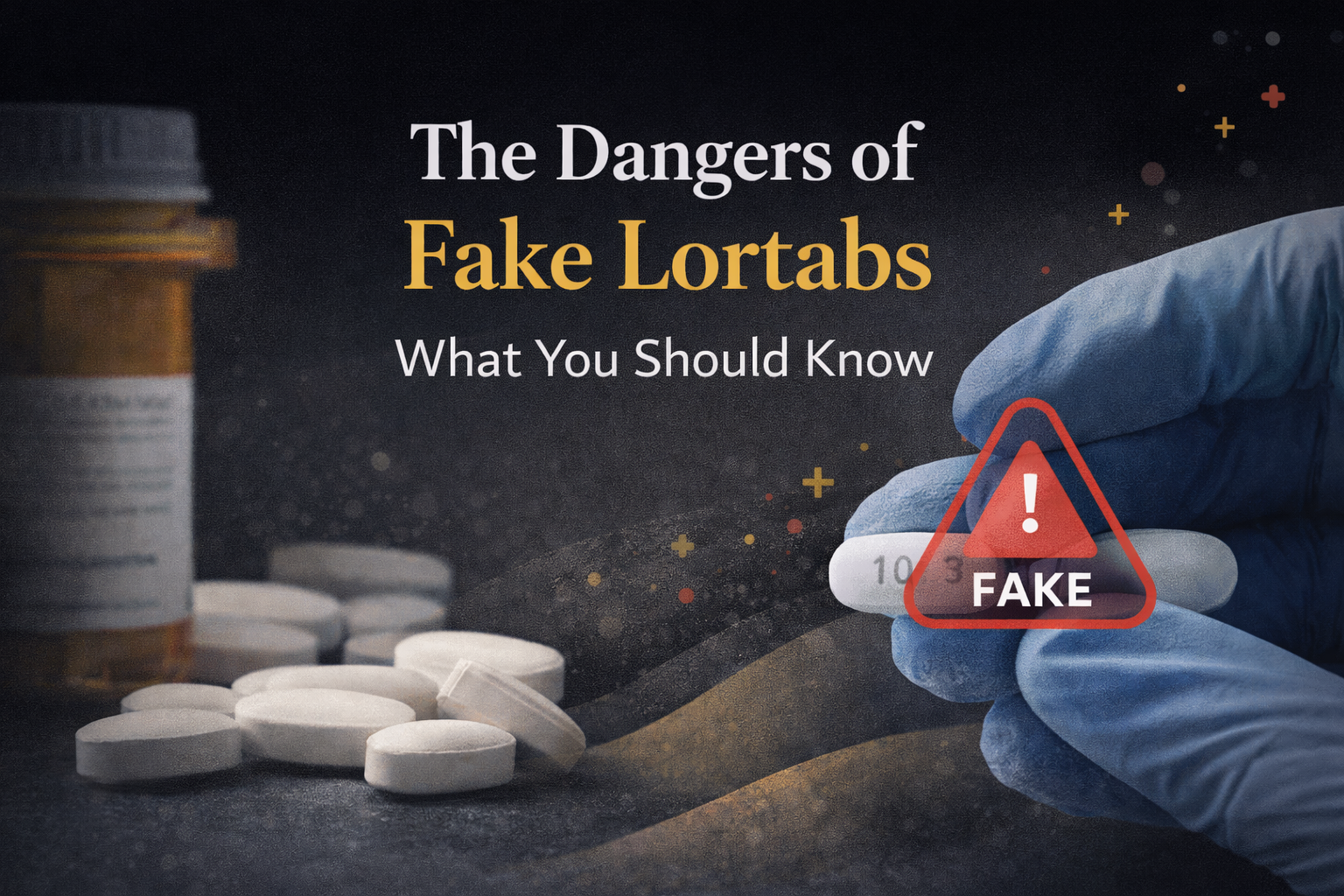
Muscle relaxants, gabapentin, sleep medications, and synthetic substances may produce unpredictable withdrawal patterns.
Designer drugs and illicit synthetic opioids can vary widely in potency. Because ingredients are often unknown, withdrawal can be inconsistent and difficult to predict without medical oversight.
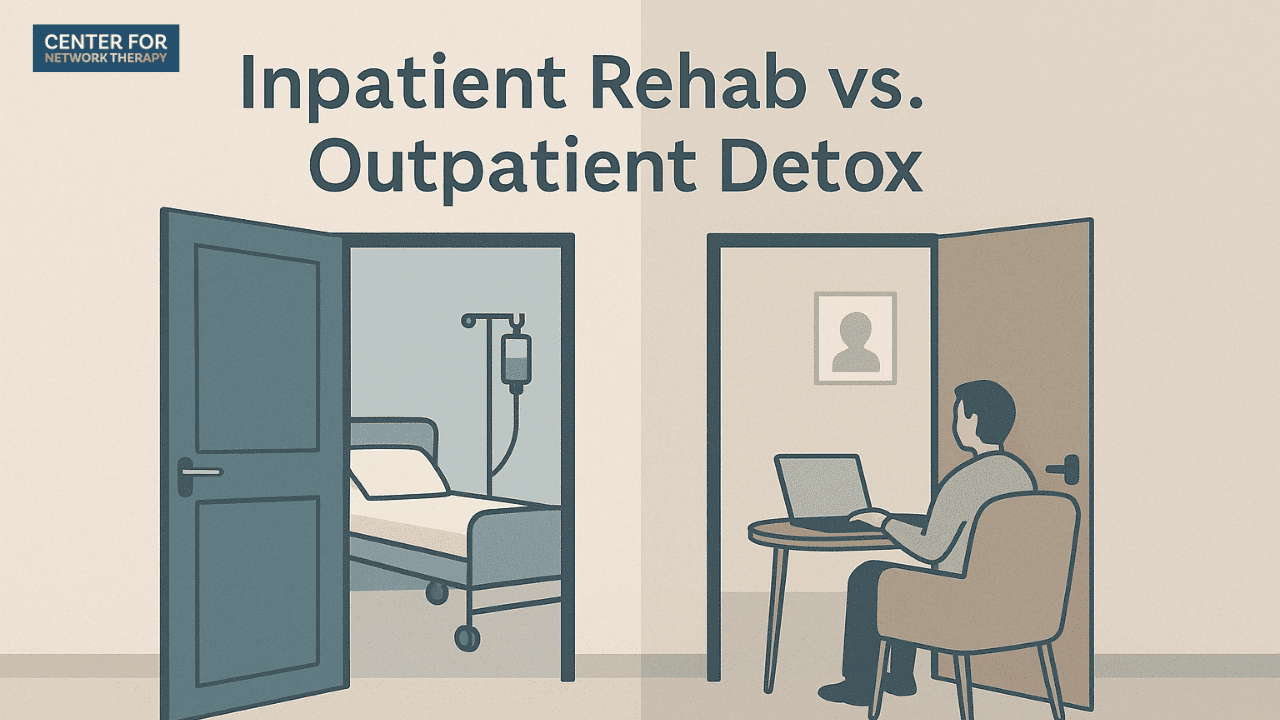
Inpatient vs Outpatient Medical Detox
Medical detox does not always require hospitalization.
At the Center for Network Therapy, we provide outpatient detox services for individuals who are medically appropriate for that level of care. This allows people to remain at home and connected to work and family while receiving structured medical supervision.
We regularly work with individuals across:
• East Brunswick
• Edison
• Freehold
• West Orange
• Greater New Jersey
Many people assume detox means residential treatment. In reality, level of care depends on medical history, substance use pattern, and risk factors.
Read More here: Intensive Outpatient Program
Insurance and Access to Care
One of the most common reasons people delay detox is uncertainty about insurance.
We work with many insurance providers, including Horizon, Aetna, Medicaid, and other private plans. Verifying coverage often removes hesitation and allows people to move forward confidently.
Early conversations are informational. They do not require commitment.
What Happens After Detox?
Medical detox is the beginning.
Ongoing recovery may include:
• Therapy
• Medication management
• Behavioral support
• Structured outpatient programs
Detox creates physical stability. Recovery builds long-term change.
A Clearer Understanding of Detox
Medical detox is not about punishment or isolation. It is about medical safety.
Withdrawal can be unpredictable. Some substances carry life-threatening risks. Others create psychological intensity that increases relapse risk.
Knowing when to seek supervision can prevent complications and provide structure during a difficult transition.
If you or someone you care about is considering stopping alcohol, opioids, benzodiazepines, stimulants, or other substances, a medical evaluation can clarify whether outpatient detox is appropriate.
FAQ
Is medical detox the same as rehab?
No. Detox stabilizes withdrawal symptoms. Rehab addresses behavioral and psychological aspects of addiction.
Can I detox at home safely?
It depends on the substance and medical history. Alcohol and benzodiazepine withdrawal should not be attempted without medical supervision.
How long does medical detox last?
Duration varies by substance. It can range from a few days to over a week depending on severity and medical factors.
Is outpatient detox effective?
For medically appropriate individuals, outpatient detox can be effective when paired with ongoing support.
Considering Your Next Step
If you are unsure whether medical detox is necessary, starting with information is reasonable.
Many individuals from East Brunswick, Edison, Freehold, and West Orange begin with questions rather than decisions.
You can call 732-484-9661 to discuss outpatient detox options and insurance coverage.
You may also take our confidential detox quiz to explore next steps privately.
Structured care does not have to remove you from daily life. It can be measured, supervised, and aligned with your responsibilities.