Table of Contents
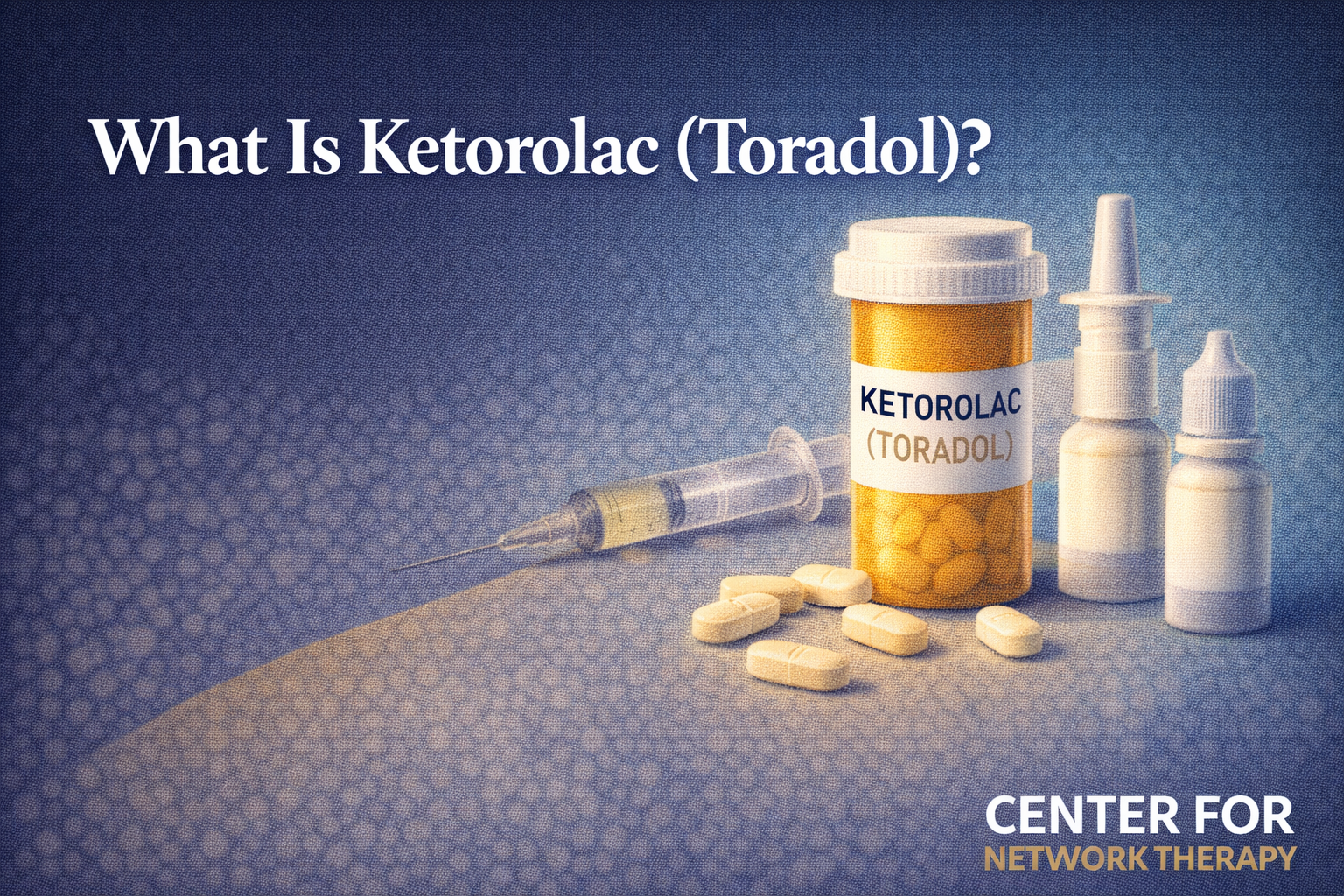
ToggleWhat Is Ketorolac (Toradol)?
Ketorolac is a strong non-steroidal anti-inflammatory drug (NSAID).
Doctors prescribe it for short-term relief of moderate to severe pain.
It’s often used after surgery or injury.
You might hear it called Toradol.
That’s a brand name commonly associated with ketorolac.
It’s not meant for long-term use.
In most cases, treatment should not go beyond 5 days.
How Ketorolac Is Given?
You may receive ketorolac in different forms:
-
Injection in a hospital setting
-
Oral tablets for short-term use at home
-
Nasal spray
-
Eye drops for post-surgical eye pain
Doctors often start with an injection.
Then switch to tablets or nasal spray.
Why It’s Used Instead of Opioids?
Ketorolac is strong.
But it’s not addictive.
That’s why doctors sometimes use it instead of opioids.
Still, “non-addictive” doesn’t mean risk-free.
This medication needs close monitoring.
Who Should Avoid Ketorolac?
Ketorolac is not safe for everyone.
You should be cautious if you have:
-
A history of stomach ulcers or bleeding
-
Kidney problems
-
Heart disease or stroke risk
-
Recent or upcoming surgery
-
Advanced age
Even a short course can cause complications in high-risk cases.
What You Should Not Mix With Ketorolac?
Certain medications can increase risks when combined with ketorolac.
Avoid or monitor closely if you take:
-
Other NSAIDs like ibuprofen or naproxen
-
Aspirin
-
Blood thinners
-
Some blood pressure medications
-
Diuretics
-
Lithium
-
Certain antidepressants or sedatives
Mixing these can raise the risk of:
-
Internal bleeding
-
Kidney strain
-
Blood pressure changes
Always check with your doctor before combining medications.
Common Side Effects
Side effects can vary based on how you take it.
With tablets, you may notice:
-
Stomach pain
-
Nausea
-
Headache
-
Dizziness
-
Swelling
With nasal spray:
-
Runny nose
-
Throat irritation
-
Mild discomfort
These may feel manageable.
But don’t ignore them if they persist.
Serious Risks to Watch For
Ketorolac can cause severe complications in some cases.
Watch for:
-
Chest pain
-
Trouble breathing
-
Black or bloody stools
-
Vomiting blood
-
Sudden weakness
-
Swelling of face or throat
These need immediate medical attention.
Why Duration Matters
This drug is not designed for long use.
More than 5 days increases risk of:
-
Internal bleeding
-
Kidney damage
-
Heart complications
Even if the pain continues, extending use is not the solution.
What Happens in an Overdose
Ketorolac overdose doesn’t look like a typical drug overdose.
There may not be immediate symptoms.
But damage can still happen internally.
Possible effects include:
-
Kidney failure
-
Liver damage
-
Severe stomach bleeding
If too much is taken, get medical help right away.
Understanding the Bigger Picture
Pain management is not just about relief.
It’s about safe choices.
Some people dealing with ongoing pain may turn to multiple medications.
Or mix substances without realizing the risk.
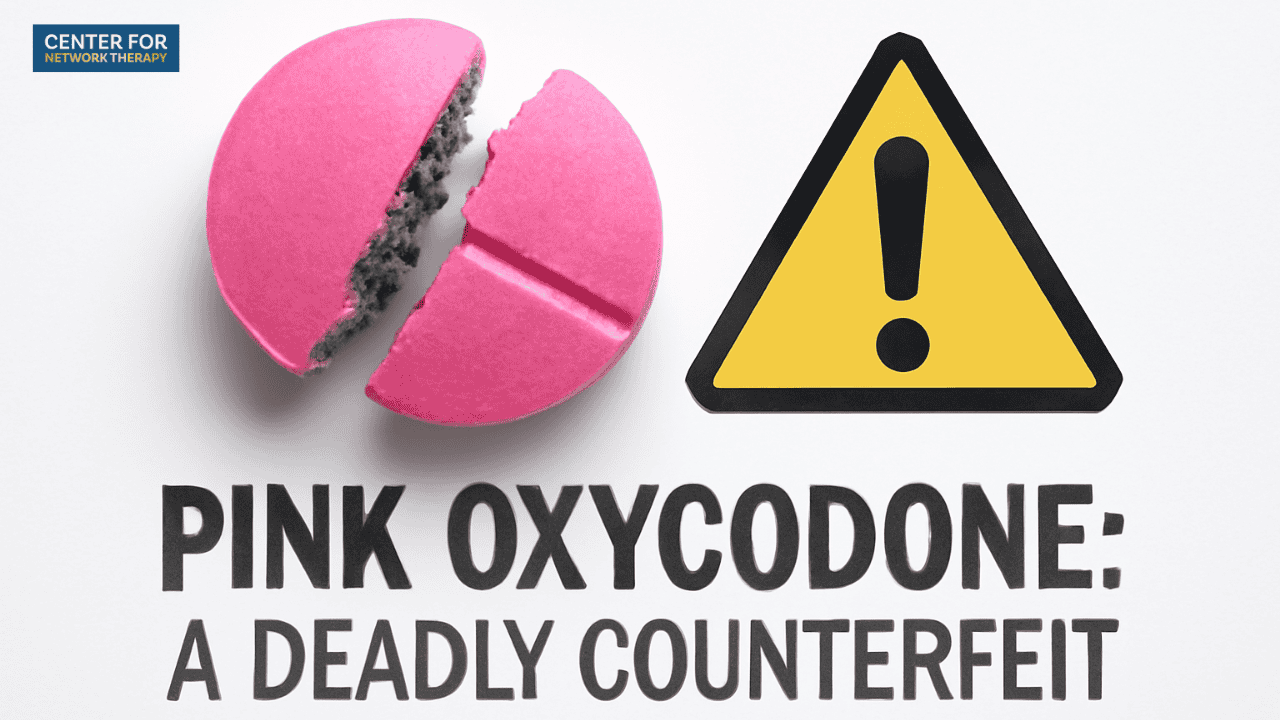
In some cases, people may even unknowingly take unsafe or counterfeit medications.
You can read more about that here:
When to Pause and Reassess
Ask yourself:
-
Are you taking more than prescribed?
-
Are you mixing medications to manage pain?
-
Are side effects getting worse?
These are signs to stop and speak to a professional.
FAQs
How long does ketorolac stay in your system?
Most people clear it within about 24 to 30 hours.
This can take longer if you have kidney issues or are older.
Can you take ibuprofen after ketorolac?
Not immediately.
Both are NSAIDs.
Taking them too close together increases the risk of bleeding.
Your doctor should guide the timing.
Is ketorolac addictive?
No.
It does not create dependence like opioids.
But misuse can still lead to serious health risks.
Why is ketorolac limited to 5 days?
Because the risk of complications rises quickly after that.
Short-term use helps reduce harm.
A Better Way to Move Forward
Pain can push you toward quick solutions.
But not all relief is safe.
If medication use is becoming confusing, overwhelming, or risky, it’s worth talking to someone.
At the Center for Network Therapy, care is built around real life.
You don’t have to pause everything to get help.
📞 Call 732-484-9661
📝 Take the confidential detox quiz to explore your options
Outpatient support is available across:
-
Middlesex
-
Freehold
-
West Orange, NJ
You don’t need to figure it out alone.