Table of Contents
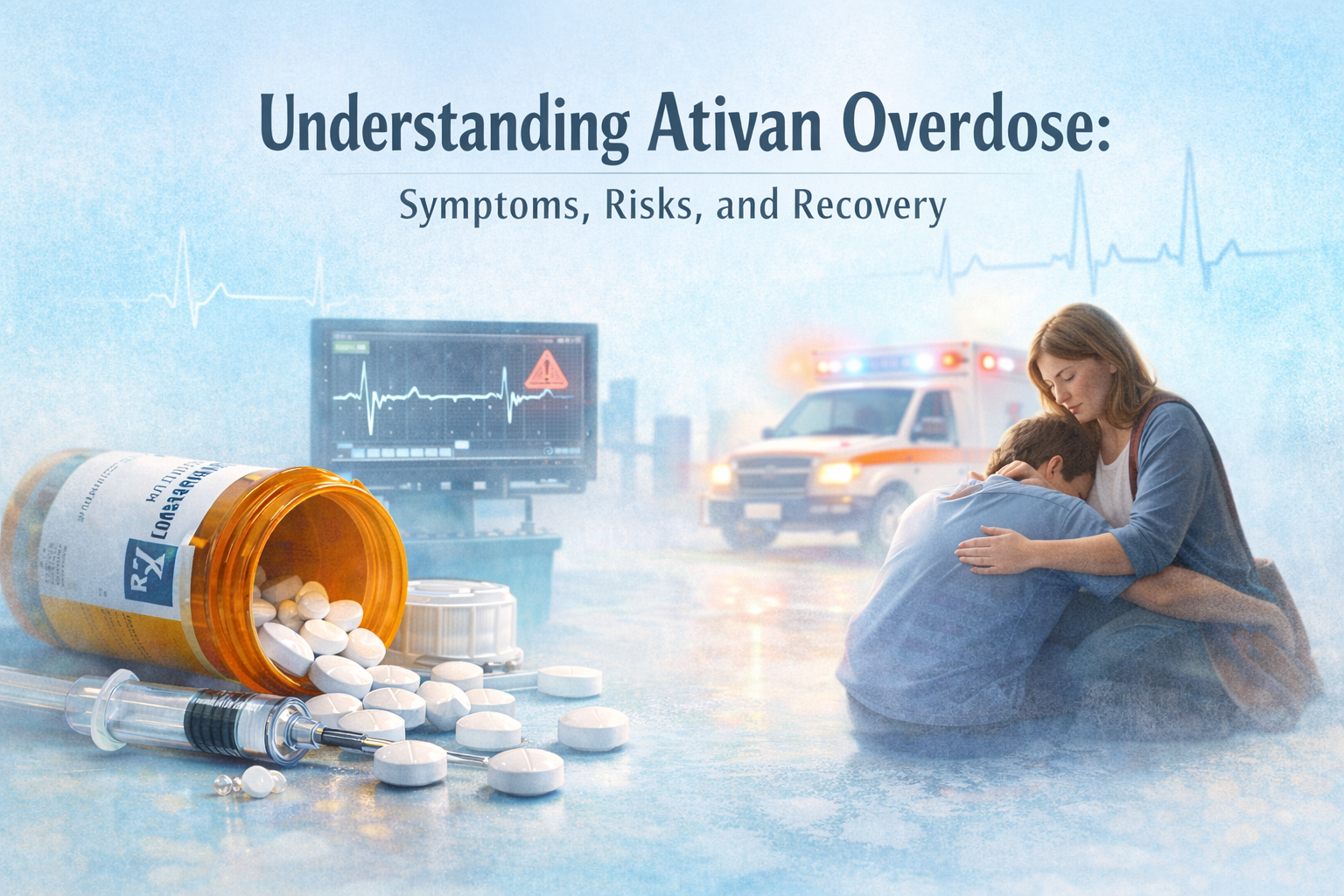
ToggleUnderstanding Ativan Overdose: Symptoms, Risks, and Recovery
Ativan, the brand name for lorazepam, is a prescription benzodiazepine commonly used to treat anxiety, insomnia, and certain seizure disorders. When taken as prescribed, it can be effective. When misused or taken in higher amounts than intended, it can become dangerous. Recognizing the signs of an Ativan overdose and knowing when to seek help can make a real difference.
What Is Ativan and How Does It Work?
Ativan belongs to a class of medications called benzodiazepines. It works by enhancing the effects of gamma-aminobutyric acid, or GABA, a neurotransmitter that slows activity in the brain. This calming effect is what helps reduce anxiety, promote sleep, or control seizures.
Because Ativan slows the central nervous system, its effects can become risky at higher doses or when combined with other substances. Over time, the body can also develop dependence, which makes stopping or changing use more complicated.
Can You Overdose on Ativan?
Yes. An Ativan overdose can occur when someone takes more than their body can safely tolerate. This may happen unintentionally, such as taking extra doses during periods of heightened anxiety or poor sleep. It can also happen when the medication is used outside of medical guidance or combined with substances like alcohol or opioids.
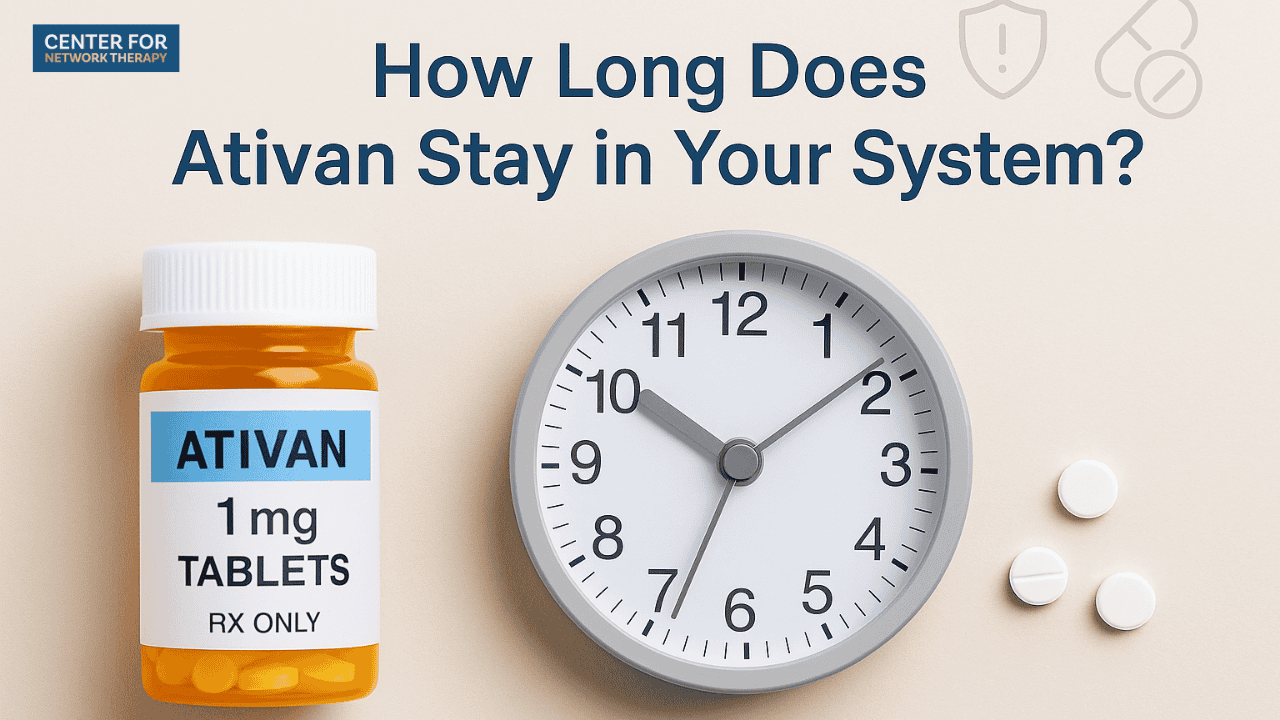
One challenge with benzodiazepines like Ativan is that their effects can feel subtle at first. People may not realize how much is still active in their system, especially with repeated dosing. Questions about how long Ativan stays in the body often come up at this stage, particularly when symptoms begin to feel unpredictable or harder to manage.
You can read more about that here
Signs and Symptoms of Ativan Overdose
Symptoms of an Ativan overdose can vary based on the amount taken and whether other substances are involved. Common warning signs include:
-
Extreme drowsiness or inability to stay awake
-
Confusion or disorientation
-
Slurred speech
-
Shallow or slowed breathing
-
Weak pulse or low blood pressure
-
Poor coordination or balance
-
Bluish lips or fingertips in more severe cases
-
Unconsciousness
When Ativan is taken alone, overdose often involves significant central nervous system depression. When combined with alcohol, opioids, or other sedating medications, the risk of respiratory failure, coma, or death increases substantially.
What to Do if You Suspect an Overdose
If someone is showing signs of an Ativan overdose, call 911 right away. Emergency medical teams can provide breathing support and other interventions that may be necessary to prevent serious complications.
Waiting for symptoms to pass or assuming someone can sleep it off can be dangerous. Benzodiazepine overdoses can worsen quickly, especially when multiple substances are involved.
Treatment for Ativan Overdose and Dependence
After immediate medical stabilization, many people need additional support to address ongoing Ativan use or dependence. Care often focuses on safety, consistency, and gradual stabilization rather than abrupt changes.
Treatment may include:
-
Medically supervised detox to manage withdrawal
-
Ongoing monitoring and adjustment of care
-
Therapy to address anxiety or other underlying conditions
-
Support for co-occurring mental health concerns
At the Center for Network Therapy, we provide outpatient detox care for benzodiazepines like Ativan. This approach allows individuals to receive medical supervision and structured support while continuing to live at home and manage daily responsibilities.
Recovery Is Possible
An Ativan overdose can feel frightening, but it does not have to define what comes next. With the right level of care, many people are able to stabilize, regain clarity, and move forward in recovery.
If Ativan use has started to feel harder to control, or if you are concerned about someone close to you, speaking with a medical professional can help clarify your options.
You can call 732-484-9661 to ask questions about outpatient detox care, insurance coverage, and whether this level of support may be appropriate.
You may also choose to take our confidential detox quiz to better understand next steps.
Related Read
Sources
-
National Institute on Drug Abuse (NIDA)
-
U.S. National Library of Medicine
-
MedlinePlus on Lorazepam (Ativan)