Table of Contents
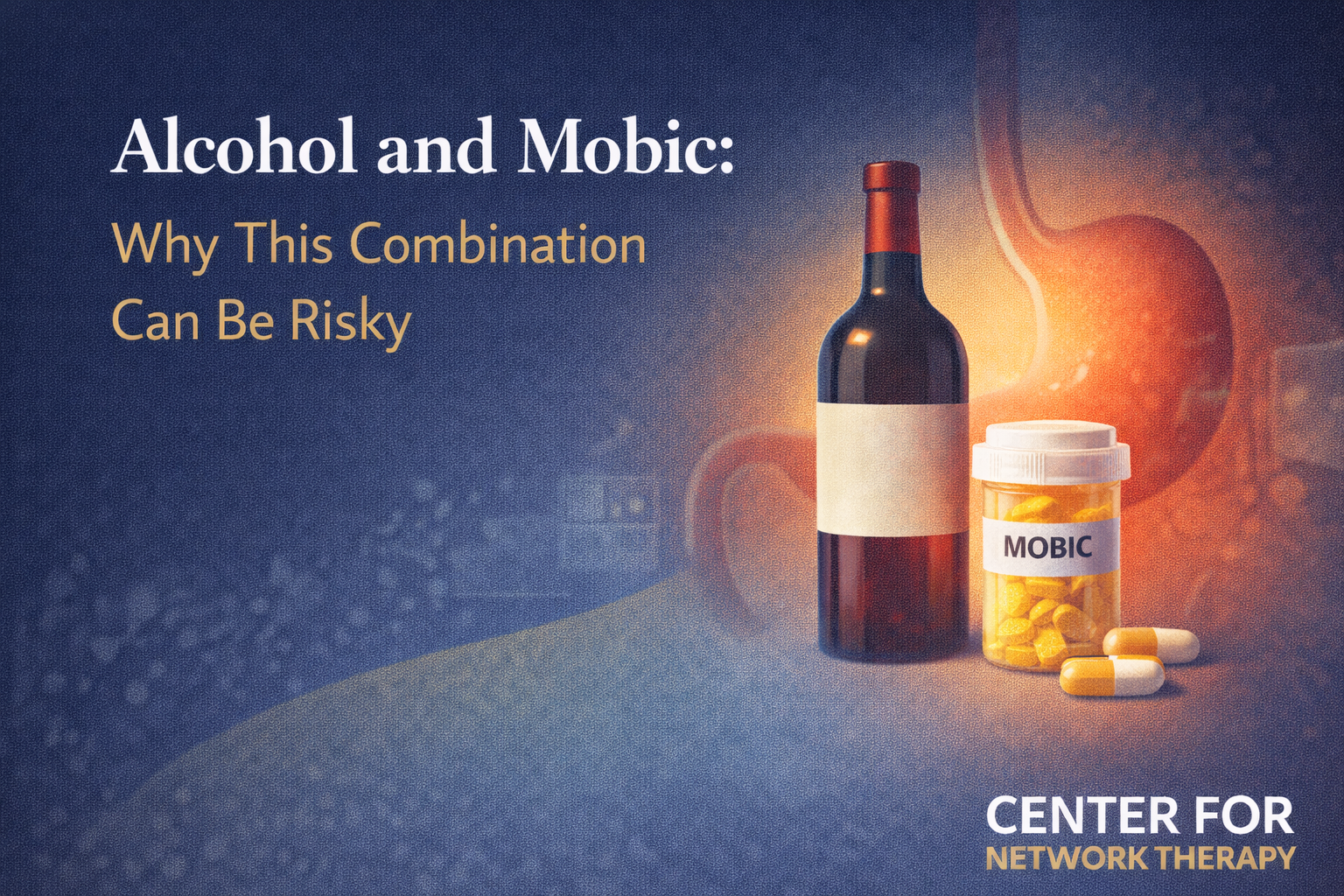
ToggleAlcohol and Mobic: Why This Combination Can Be Risky
If you live with chronic pain, your doctor may prescribe Mobic, a medication commonly used to treat inflammation and joint pain. It can make daily movement easier and help reduce discomfort from conditions like arthritis or gout.
But many people still wonder about one thing.
Is it safe to drink alcohol while taking Mobic?
Mixing alcohol with this medication can increase the risk of several health complications, particularly related to bleeding, stomach irritation, and heart health. Understanding how the two interact can help you make safer choices for your body.
What Is Mobic?
Mobic is the brand name for meloxicam, a prescription medication that belongs to a group of drugs called nonsteroidal anti-inflammatory drugs (NSAIDs).
Doctors often prescribe it to treat inflammation and pain linked to conditions such as:
• Osteoarthritis
• Rheumatoid arthritis
• Gout flares
• Other inflammatory pain conditions
Meloxicam works by reducing chemicals in the body that cause inflammation and pain. While it can be very effective for managing chronic discomfort, it also affects how the stomach lining and blood clotting systems function.
Because of this, alcohol can significantly increase the risks associated with the medication.
Can You Drink Alcohol While Taking Mobic?
Most healthcare providers recommend avoiding alcohol while taking Mobic.
Both alcohol and meloxicam affect the stomach lining and the body’s ability to clot blood. When used together, they may place additional strain on the digestive system and increase the likelihood of complications.
For some people, the risks may appear small at first. Over time, repeated exposure can raise the chance of serious health problems.
Increased Risk of Stomach and Intestinal Bleeding
One of the most significant concerns when combining alcohol and Mobic is internal bleeding in the stomach or intestines.
NSAIDs like meloxicam can irritate the stomach lining and reduce the body’s protective barriers against stomach acid. Alcohol can worsen this irritation and interfere with normal blood clotting.
Together, they can increase the likelihood of:
• Stomach bleeding
• Intestinal bleeding
• Ulcers in the digestive tract
Signs of internal bleeding may include:
• Vomit that looks like coffee grounds
• Blood in stool
• Black or tar-colored stool
• Severe stomach pain
These symptoms require immediate medical attention.
Higher Risk of Gastritis
Both alcohol and NSAIDs can irritate the stomach lining. When they are combined, the stomach becomes more vulnerable to gastritis, a condition marked by inflammation of the stomach wall.
Gastritis may cause symptoms such as:
• Burning stomach pain
• Nausea or vomiting
• Loss of appetite
• Persistent stomach discomfort
Over time, untreated gastritis can lead to ulcers, chronic digestive problems, or nutrient deficiencies.
Alcohol Can Trigger Gout Flares
Many people are prescribed Mobic during gout attacks, which cause sudden inflammation and pain in the joints.
Alcohol, especially beer and certain liquors, can increase uric acid levels in the body. Elevated uric acid is one of the main triggers for gout flare-ups.
This means drinking alcohol while taking Mobic for gout may work against the medication and potentially worsen the condition.
Common symptoms of a gout flare include:
• Sudden pain in a joint, often the big toe
• Swelling in the affected joint
• Redness and warmth in the area
• Severe tenderness when touching the joint
Avoiding alcohol during treatment can help reduce the likelihood of these flare-ups.
Potential Heart and Cardiovascular Risks
NSAIDs such as meloxicam have been linked to an increased risk of heart attack and stroke, especially with long-term use or high doses.
Heavy alcohol use can also affect cardiovascular health. It may raise blood pressure, weaken heart muscle over time, and contribute to irregular heart rhythms.
When alcohol and Mobic are combined, these cardiovascular risks may become more pronounced for some individuals.
Symptoms that require urgent medical attention include:
• Chest pain
• Shortness of breath
• Sudden weakness on one side of the body
• Slurred speech
• Sudden vision changes
Symptoms to Watch For When Mixing Alcohol and Mobic
If alcohol is consumed while taking Mobic, it is important to pay attention to warning signs that the body may be reacting poorly.
Possible symptoms include:
• Severe stomach pain
• Persistent nausea or vomiting
• Blood in vomit or stool
• Dizziness or weakness
• Dark or tar-colored stool
These symptoms may signal internal bleeding or serious stomach irritation and should be evaluated by a medical professional.
When Alcohol Use Becomes a Bigger Concern
For some people, avoiding alcohol may be difficult, especially if drinking has become a regular part of daily life.
If someone finds it challenging to stop drinking, particularly while managing health conditions or medications, it may indicate a deeper struggle with alcohol use.
Stopping alcohol after long-term or heavy use can sometimes lead to withdrawal symptoms such as:
• Tremors
• Anxiety
• Sweating
• Nausea
• Sleep disturbances
In these situations, a medically supervised alcohol withdrawal detox program can help people stop drinking safely while receiving medical monitoring and support.
Many individuals across New Jersey, including East Brunswick, Edison, Freehold, and West Orange, begin their recovery journey by seeking safe and structured detox support.
Frequently Asked Questions
Is it ever safe to drink alcohol while taking Mobic?
Doctors usually recommend avoiding alcohol while using Mobic. Even moderate drinking can increase the risk of stomach irritation and bleeding.
What should I do if I accidentally drink alcohol while taking Mobic?
Monitor how you feel and watch for symptoms like stomach pain, nausea, or unusual bleeding. If symptoms appear or worsen, contact a healthcare provider.
Why does alcohol increase bleeding risk with Mobic?
Alcohol affects the stomach lining and blood clotting. Mobic also affects these systems, so combining them may increase the likelihood of internal bleeding.
A Thought to Carry Forward
Pain management and daily habits often intersect in ways that are easy to overlook. Medications like Mobic can help reduce inflammation and restore mobility, but combining them with alcohol may introduce risks that many people do not expect.
Understanding how these interactions affect the body can make it easier to protect long-term health and avoid complications before they begin.
If alcohol has started to affect your health, medications, or daily life, compassionate medical support is available.
📞 732-484-9661
Speaking with a professional can be a first step toward safer choices and better overall well-being.